Autumn Equinox 2026 in Australia (Mabon) – Celebrating Balance, Gratitude & Change

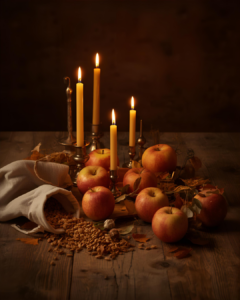
lit candles with apples & grains on a table

As the long summer fades and the days begin to shorten, we reach that magical midpoint in the year – the Autumn Equinox. In the Southern Hemisphere, it falls around March 20th–21st, when day and night are perfectly balanced.

This moment of harmony invites us to pause, reflect, and realign as we move from the outward energy of summer into the gentler rhythm of autumn.


🍁 What Is the Autumn Equinox (Mabon)?

In modern Pagan and Wiccan traditions, the Autumn Equinox is also known as Mabon, a festival of gratitude, harvest, and balance.

It marks the second harvest, a time to honour the fruits of our labour – both physical and spiritual. Mabon reminds us that life moves in cycles of growth, release, and renewal.

This season encourages us to slow down, give thanks for what we’ve achieved, and prepare for the reflective months ahead.


🌾 The Autumn Equinox in Australia
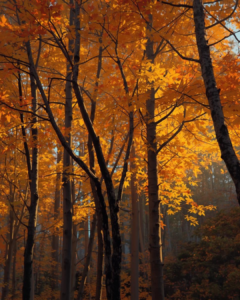
Autumnal trees

While the Northern Hemisphere celebrates spring, here in Australia we experience a gentler transition into cooler days.

In Tasmania and Victoria, leaves blush in rich tones of amber and rust, while Queensland and the Northern Territory enjoy clear skies and cooler nights after the humidity of summer.

Wherever you live, this is a perfect time to notice nature’s subtle changes – the shifting light, the crisp air, and the comforting pull to rest and reset.


🔮 Autumn Equinox Correspondences

ElementAssociations
Other NamesMabon, Harvest Home
DeitiesPersephone, Modron, The Green Man
ColoursDeep red, gold, russet, moss green, plum
SymbolsApples, acorns, cornucopia, grapes, autumn leaves
FoodsRoot vegetables, pumpkins, grains, apples, pears, nuts, fresh bread
DrinksMulled cider, chai, herbal teas, red wine

These correspondences can inspire your altar decorations, rituals, or seasonal cooking. Choose what feels personally meaningful – that’s where the magic truly lies.


🔥 How to Celebrate Mabon in the Southern Hemisphere

You don’t need elaborate rituals to celebrate the Autumn Equinox – small acts of mindfulness and gratitude are often the most powerful. Here are some simple, low-cost ideas for 2026:

  • 🍎 Create a gratitude altar with autumn leaves, apples, and candles in earthy tones.
  • 🥖 Bake bread or cook with seasonal produce, giving thanks for your abundance.
  • 🌿 Take a mindful walk in nature and collect fallen leaves or seed pods.
  • ✨ Perform a balance ritual – meditate on what feels out of harmony and how to restore it.
  • 🔥 Host a harvest meal with friends or family and share favourite comfort foods.
  • 📓 Reflect and journal – what have you harvested in your life since the year began?
  • 🕯️ Light a candle at sunset to honour the equal balance of day and night.

🌻 My 2026 Mabon Celebration Plans

This year, I’ll be keeping things simple and grounded.

I’ll refresh my altar, adding seasonal herbs, a few pinecones, and fallen leaves from the garden. I’ll spend some quiet time journaling about the first quarter of the year and reflecting on what “balance” means for me right now.

Dinner will be something hearty and homemade – roast vegetables, fresh bread made with stone-ground flour, and maybe a spiced apple crumble to end the evening.

As the sun dips below the horizon, I’ll pause to give thanks – for the lessons learned, the warmth of community, and the gentle turning of another season.


✍️ Mabon Journal Prompts

If you enjoy journaling as part of your spiritual or self-care practice, use these prompts to deepen your connection to the Autumn Equinox.

🌾 Reflect & Release

  1. What am I most grateful for at this point in the year?
  2. What personal “harvests” (achievements or lessons) am I celebrating?
  3. Where in my life do I need more balance or rest?

🍂 Reset & Renew

  1. What habits, projects, or energies am I ready to release as the season turns?
  2. How can I embrace a slower pace and honour the changing light?
  3. What brings me peace and comfort as the nights grow longer?
  4. What seeds of intention do I want to nurture through the rest of the year?

“Balance is not something you find, it’s something you create.”


🌕 Final Thoughts

The Autumn Equinox reminds us that life is a dance between light and dark – activity and rest, doing and being.

Take this time to find your own sense of balance, express gratitude for what has been, and welcome the stillness that lies ahead.

Whether through ritual, journaling, or a simple meal shared with loved ones, Mabon is an opportunity to celebrate the beauty of change.

Lammas in Australia: Harvest, Gratitude & Decolonising the Wheel of the Year

As late summer settles in and the intensity of the season begins to soften, Lammas arrives as a meaningful turning point on the Southern Hemisphere Wheel of the Year. In Australia, Lammas is not marked by golden wheat fields or cool breezes, but by cicada song, sun-warmed earth, ripening gardens, and the subtle awareness that energy is beginning to shift.

Also known as Lughnasadh, Lammas is the first harvest festival = a time to pause, take stock, and acknowledge what has grown through persistence, resilience, and care. For Australian witches and pagans, it is also an invitation to practise seasonal spirituality in a way that is land-aware, respectful, and rooted in place, rather than imported symbolism alone. This year I have been called to learn more about how the traditional custodians of our land celebrate the seasons, and how I can respectfully incorporate this into my personal practice, without using Indigenous ceremonies, stories, or symbols.


🌏 Acknowledging Country

Before we mark Lammas, we pause to acknowledge Country.
We recognise that the land on which we live and practise spirituality has been cared for, sung, tended, and honoured for tens of thousands of years by Aboriginal and Torres Strait Islander peoples. The seasons we observe, the plants we work with, and the rhythms we feel are part of living systems that long predate modern pagan traditions.

As witches and pagans practising on this land, we are guests here. Our spiritual paths do not replace Indigenous knowledge, nor do they grant ownership over land, stories, or sacred practices that are not ours to carry.

May our observance of the Wheel of the Year be guided by respect, humility, and listening, grounded in relationship with the land, and held with care for the cultures who remain its custodians.
We honour Elders past and present, and commit to earth-based practice that does no harm.


🌻 The Meaning of Lammas

Lammas reminds us that life moves in cycles – of growth, fruition, and rest. The golden days begin to shorten, inviting reflection and gratitude.

It’s a time to celebrate what has ripened in our lives, release what no longer serves us, and prepare to slow down as the cooler months draw near.

Spiritually, Lammas represents gratitude for what we’ve gained, and trust in the process of change – knowing that every ending leads to new beginnings.

In an Australian context, Lammas often carries a quieter, more introspective energy. It is less about abundance as excess, and more about earned harvest – recognising what has survived heat, pressure, and uncertainty. This sabbat asks us to honour effort, adaptability, and honest self-assessment.


🍞 Simple Ways to Celebrate Lammas

Celebrating Lammas doesn’t require elaborate ritual. Simple, grounded acts aligned with the land you live on are often the most powerful.

  • Bake or share bread with intention
    Bread symbolises effort transformed into sustenance. As you knead or prepare food, reflect on what you’ve poured energy into this year. You might offer the first slice to the land, ancestors, or deities you work with.
  • Create a local, land-honouring altar
    Use ethically gathered items from your environment – seed pods, grasses, stones, leaves, shells, dried herbs, or late-summer fruits. Let your altar reflect place, not imported seasonal imagery.
  • Offer gratitude to spirits of place
    A spoken thank-you, libation, or quiet moment outdoors can be a powerful Lammas offering. This is about relationship, not performance.
  • Practise harvest magic
    Lammas is well suited to workings focused on sustainability, protection, balance, and maintaining what you’ve built – rather than striving for more.
  • Share food in community
    Lammas has long been a communal festival. If appropriate, share a meal with friends, coven members, or chosen family.

🌿 In the Den This Year

This year, Lammas in the Den is being honoured as a threshold sabbat – a pause between intensity and rest.

The focus is on:

  • finishing existing creative projects
  • grounding spiritual practice into daily life
  • slow craft, seasonal journaling, and reflection
  • releasing unrealistic expectations carried through summer

Rather than planting new seeds, this Lammas is about closing loops, acknowledging effort, and conserving energy as we move toward autumn.


🌾 Decolonising the Wheel of the Year in Australia

For many Australian pagans and witches, the Wheel of the Year is both meaningful and complicated. Rooted in European seasonal cycles, it doesn’t always align with Australian climates, ecosystems, or lived experience.
Decolonising the Wheel of the Year doesn’t mean abandoning it. It means holding it lightly.

Listening to the Land

A decolonised practice begins with observation:

  • When does the land actually shift where you live?
  • What plants flower, seed, or die back?
  • How do heat, rain, and light affect your body and energy?

Rather than forcing sabbats to match imported imagery, allow them to emerge from lived, local experience.

Adapting Without Appropriating

Decolonising does not mean incorporating Indigenous spiritual practices into pagan ones. Respect means:

  • not using Indigenous ceremonies, stories, or symbols
  • not claiming Dreaming or seasonal calendars as pagan tools
  • not speaking for Country

True land-based spirituality accepts boundaries and practises accountability.

From Aesthetic to Relationship

A living, ethical Wheel of the Year is:

  • flexible rather than fixed
  • responsive rather than prescriptive
  • grounded in place rather than aesthetic
  • shaped by relationship, not rules

Lammas, viewed this way, becomes not just a harvest festival, but a moment of reflection:
What have I gained — and how have I lived in relationship with the land while doing so?


✍️ Lammas Journal Prompts

If you enjoy journaling as part of your spiritual or self-care practice, use these prompts to deepen your connection to Lammas.

You can print or save them for your Wheel of the Year journal, planner, or Book of Shadows.

Lammas is a beautiful time to pause and reflect on what has ripened in your life – your work, relationships, creativity, and inner growth. As the first harvest festival of the Wheel of the Year, it invites gratitude and gentle release.

Use these journal prompts to deepen your Lammas reflections:

  1. 🌾 What have I “harvested” in my life since the start of the year?
  2. 🌻 Which intentions or projects have come to fruition, and how do they make me feel?
  3. 🍞 What am I most grateful for right now – in my home, relationships, or inner world?
  4. 🕯️ What parts of my life feel abundant? What areas feel depleted and in need of rest?
  5. 🌕 How can I celebrate the work I’ve done so far this year – even the small victories?
  6. 🌬️ What lessons have I learned from challenges or “failed crops” this season?
  7. 🍎 What do I want to release as I move toward the quieter months of the year?
  8. 🪴 How can I nurture balance between giving and receiving – between work and rest?
  9. 🔥 What rituals, meals, or creative acts help me feel connected to the cycle of nature?
  10. 🌿 How can I bring more gratitude into my daily routine beyond Lammas?

(Tip: Write freely, without judgment. This is a time to honour both your growth and your humanity.)

As always, Lammas is a reminder to pause, give thanks, and trust in the turning of the seasons.

Blessed Lammas – may your harvest be honest, your magic grounded, and your path steady. 🌾

Celebrating the Wheel of the Year – Summer Solstice

Celebrating the Wheel of the Year - Southern Hemisphere Style.
Summer Solstice. December 21st

🌞 Summer Solstice in Australia – Embracing the Longest Day

What is the Summer Solstice?

The Summer Solstice, also known as Litha, marks the longest day and shortest night of the year in the Southern Hemisphere = usually falling around December 21st–22nd.
It’s a celebration of light, vitality, abundance, and the height of solar power. The Earth is alive with growth, fruitfulness, and joy.

For many Pagan and Wiccan traditions, this is a time to honour the Sun God at his peak strength before his gradual decline toward the darker half of the year.

Other Names for the Summer Solstice Sabbat

  • Litha (Wiccan and modern Pagan traditions)
  • Midsummer (Old European and Anglo-Saxon traditions)
  • Alban Hefin (Druidic traditions, meaning “The Light of the Shore”)
  • Feast of the Sun
  • Solstice Festival

Deities Honoured at Litha

The Summer Solstice is rich with solar and fertility deities. Common ones include:

  • Ra (Egyptian) – the Sun God who rides his chariot across the sky
  • Helios or Apollo (Greek) – gods of light, healing, and prophecy
  • Amaterasu (Japanese) – the radiant goddess of the sun
  • Baldur (Norse) – god of light, joy, and purity
  • Aine (Celtic) – goddess of love, fertility, and summer
  • The Oak King – representing the waxing year, who now gives way to the Holly King, ruler of the waning year

Colours of the Summer Solstice

Surround yourself with vibrant, sun-soaked tones that mirror the energy of the season:

  • Gold and yellow – for sunlight and abundance
  • Red and orange – for vitality and warmth
  • Green – for growth and fertility
  • Blue – for clear summer skies and water energy

Symbols of Litha

These symbols can be used in altars, decorations, or rituals:

  • Sun wheels or solar discs
  • Bonfires or candles (especially golden or orange)
  • Oak leaves and flowers
  • Honeybees and butterflies
  • Fruits, herbs, and summer blooms
  • Wreaths and garlands

Traditional Foods and Drinks

Feasting is a key part of celebrating the Summer Solstice – think fresh, seasonal, and full of colour.

Foods:

  • Summer fruits: berries, peaches, melons, mangoes
  • Fresh salads and grilled vegetables
  • Honey cakes or biscuits
  • Bread, cheeses, and light picnic fare
  • Barbecue dishes (a very Aussie twist!)

Drinks:

  • Iced herbal teas (mint, chamomile, or lemon balm)
  • Fruit punch or sangria
  • Mead or honey-infused drinks
  • Citrus water with fresh herbs

Ways to Celebrate the Summer Solstice in Australia

There’s no one “right” way to celebrate – it’s about embracing the energy of light, warmth, and gratitude. Here are some ideas:

  1. Watch the Sunrise or Sunset
    Welcome the sun with intention. Sunrise rituals honour new beginnings, while sunset ceremonies express gratitude for abundance.
  2. Create a Sun Altar
    Decorate with gold candles, flowers, fruit, and symbols of the sun. Include offerings of honey, wine, or bread.
  3. Light a Bonfire (or Candle)
    Fire represents the height of the sun’s power. If you can’t have a bonfire, gather around candles or fairy lights.
  4. Host a Garden Picnic or Barbecue
    Celebrate outdoors with loved ones, sharing seasonal foods and laughter.
  5. Craft Solar Charms
    Use sun symbols, herbs, and ribbons in red or gold to make charms for vitality and good fortune.
  6. Perform a Cleansing or Renewal Ritual
    Use water (the ocean, river, or even a bowl at home) to cleanse away old energy and invite new beginnings.
  7. Journal and Reflect
    Ask yourself:
    • What has grown in my life this year?
    • What do I wish to nurture through the coming months?
    • How can I carry the warmth of this season into my heart and home?

🌸 Connecting Litha and Beltane

You might notice that Litha (Summer Solstice) and Beltane (around October 31st–November 1st in the Southern Hemisphere) share similar joyful, passionate energies.
While Beltane celebrates fertility, union, and the spark of life, Litha represents that spark in full bloom — the height of power and vitality.

If you want to carry Beltane-style celebrations into Litha, try:

  • Dancing around a mini Maypole or creating flower crowns
  • Sharing music, laughter, and love in the open air
  • Honouring both fire and water – passion and peace – for balance
  • Decorating your space with flowers, ribbons, and solar symbols

These acts keep the Beltane fire alive through the warmth of midsummer.

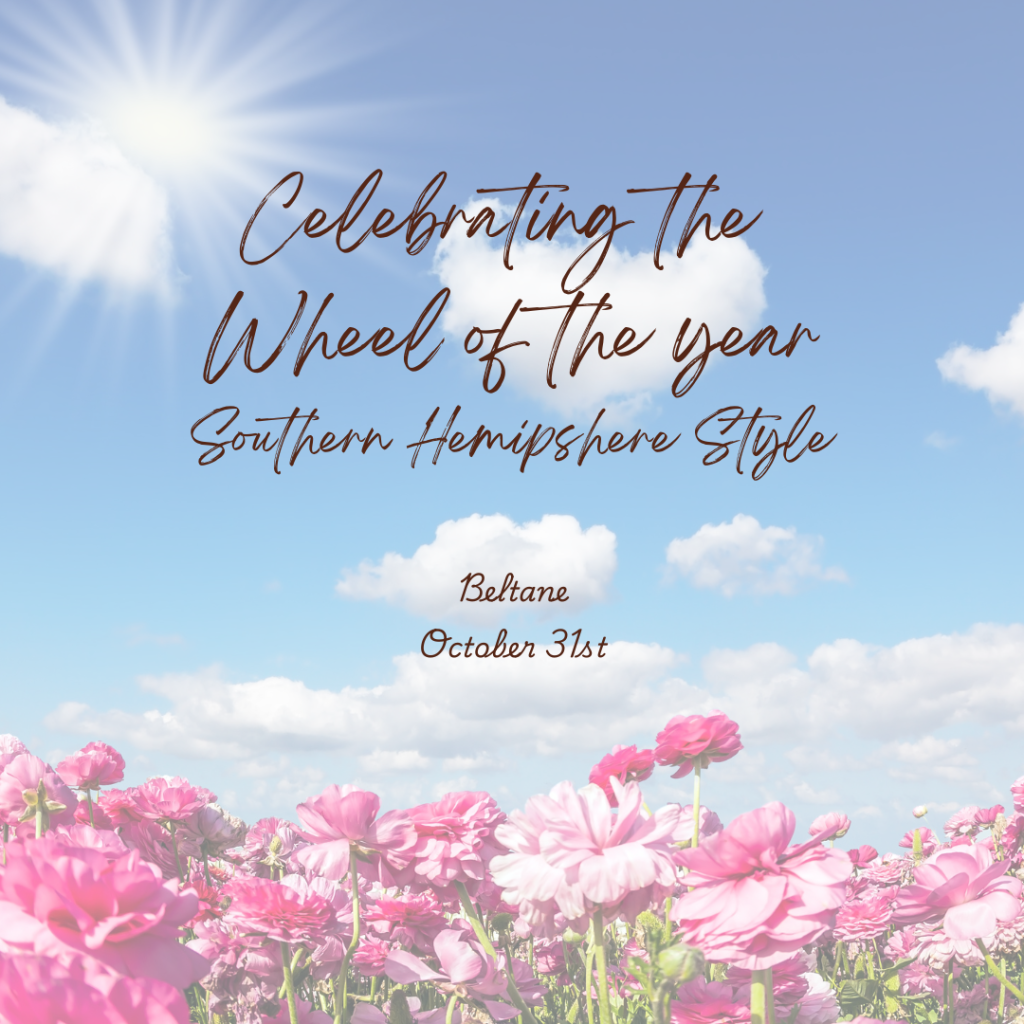
Celebrating the Wheel of the Year – Beltane

As the wheel of the year turns once more, Beltane rises in a blaze of colour, scent, and sensual vitality. In Australia, this festival falls around October 31st to November 1st — a time of riotous growth, warmer days, and the promise of summer just over the horizon. While our friends in the Northern Hemisphere are descending into shadow and celebrating Samhain, we’re lighting our fires to honour life in full bloom.

Beltane (pronounced BELL-tayn) is one of the eight Sabbats in the Wheel of the Year — the festival of fertility, passion, creativity, and connection. It sits opposite Samhain, forming a balance between beginnings and endings, birth and death.

Traditionally celebrated by the Celts as a fire festival marking the beginning of summer, Beltane honours the union of Earth and Sky – the Goddess and the God – in the sacred dance of creation. In modern witchcraft and pagan practice, it’s a time to celebrate love, abundance, sensuality, and the vibrant pulse of life itself.


Beltane Correspondence

Other Names: May Day (in the Northern Hemisphere), La Bealtaine (Old Irish, meaning “bright fire”), Cetsamhain (meaning “opposite Samhain”), Festival of Fire and Flowers (a modern Southern Hemisphere adaptation)
Deities: The Green Man, Flora, Aphrodite or Venus, Pan, Brigid, Cernunnos.
Colours; Green, Red, Yellow, Pink, White
Symbols: bonfires, Maypoles, flowers & garlands, rabbits & hares, ring & circles
Foods: honey cakes, oat cakes, breads, fresh fruit, dairy, seasonal salads. For an Asutralian spin, drizzle local honey on wattleseed bread.
Drinks: Mead, fruit punch or cider, herb teas (rose, mint, chamomile), Elderflower cordial


Ways to Celebrate Beltane in Australia

Whether you’re a solitary witch or part of a circle, here are some beautiful ways to mark the festival:

  1. Light a Fire. If it’s safe to do so, light a bonfire or candle to honour the sun’s power and the fire of creation. Write intentions for passion, growth, or love and cast them into the flames.
  2. Create a Flower Crown. Gather fresh flowers (or native blossoms) and weave them into a crown – wear it as a symbol of your connection to nature’s abundance.
  3. Dance or Drum. Movement is sacred at Beltane! Dance around a fire, drum to your heartbeat, or spin ribbons around a small maypole.
  4. Celebrate Love. Spend time with your partner or friends – Beltane celebrates love in all forms. You might bless your relationship, renew vows, or simply share a heartfelt meal.
  5. Decorate Your Altar. Use symbols of fertility, love, and fire – flowers, candles, ribbons, shells, crystals like carnelian, rose quartz, and green aventurine.
  6. Garden Magic. Plant seeds or herbs with intention. Beltane is a powerful time for fertility magic, creativity, and nurturing growth – in both the soil and your spirit.
  7. Make an Offering. Leave a simple offering to the Earth – honey, flowers, or water – as thanks for the bounty of the land.

Our plans

The kiddos are heading out to do trick or treating with their friends. The other half and I will most likely have a movie date night at home. I’m thinking I’ll plant some seeds but will be bringing them inside as our greenhouse was damaged during a recent storm.


Final Thoughts

Beltane is a celebration of life at its fullest – a reminder to embrace joy, passion, and connection. In the Southern Hemisphere, it’s our time to revel in warmth and abundance, to honour both the wildness of nature and the beauty of love in all its forms.

So light your fire, dance beneath the stars, and let your spirit bloom with the season.

Celebrating the Wheel of the Year – Spring Equinox

Background image of yellow daffodils on a green grass.
Text says: Celebrating the Wheel of the Year. Southern Hemisphere Style. Spring Equinox, September 21st

Spring Equinox in Australia: A Celebration of Balance and Bloom

As the sun crosses the celestial equator and day and night come into perfect balance, we arrive at the Spring Equinox – a sacred seasonal festival of renewal, fertility, and equilibrium. In Australia, this turning point typically falls between September 20th and 23rd, marking the halfway point between the Winter Solstice and Summer Solstice.

Known by many names across cultures – Ostara, Eostre, or simply the Vernal Equinox – this is a time of growth, joy, and planting seeds both literal and symbolic. For those in the Southern Hemisphere, the Spring Equinox is an invitation to step out of winter’s slumber and align with the vibrant, blossoming energy of life.

🌼 What Is the Spring Equinox?

The equinox (from Latin aequus = equal, nox = night) is one of two points in the year when day and night are approximately equal in length. In spiritual and natural traditions, this balance of light and dark is deeply symbolic.

In Australia, the Spring Equinox is a time to:

  • Celebrate the awakening of nature
  • Honour fertility, creation, and abundance
  • Find inner balance as the light continues to grow

Spring Equinox Correspondence

Other Names: Ostara, Eostre’s Day, Alban Eilir, Festival of Balance
Deities: Ostara/Eostre, Persephone, Demeter, Flora, the Green Man
Colours: Green, Yellow, Pink, Blue, White
Symbols: Eggs, seeds, blossoms, hares, birds, butterflies, balance scales
Foods: salads with greens, edible flowers and herbs, fruit tarts, citrus cakes, devilled eggs, quiche, breads, pastries, Cheese platters with honey and nuts
Drinks: Herbal teas (mint, chamomile, lemon balm), elderflower or fruit infused water, spring mead or cider, lavender lemonade


Ways to Celebrate the Spring Equinox in Australia

  • Plant Something. Whether it’s a veggie patch, herbs, or flower seeds, get your hands in the soil. This act connects you directly to the energy of life beginning anew.
  • Create a Balance Ritual. Place a light and a dark candle on your altar. Light both and meditate on what needs rebalancing in your life—work vs rest, action vs reflection, giving vs receiving.
  • Go on a Nature Walk. Notice the signs of spring in your region—wattle still in bloom, new bird calls, warmer breezes. Bring home a few natural treasures (respectfully) for your altar.
  • Decorate Eggs. A fun and meaningful craft for all ages. Decorate with natural dyes or symbols representing what you want to manifest this season.
  • Create a Floral Offering. Gather flowers or petals and leave them at a tree, river, or sacred place as a thank-you for the earth’s gifts.
  • Host a Picnic or Feast. Share seasonal foods with friends and family. Celebrate the joy of community and connection in nature.

Our plans

We went to our local university this morning and planted the seeds for future study for our eldest (& the other half enrolled in a degree to start next year!). I’m busy setting up my goals for the upcoming quarter and taking part in Change Your Life 2.0 with JashiiCorrin
I’m decorating my alter with Spring Equinox symbols, fresh flowers, as well as performing a balancing ritual then doing some journaling this evening.
As for a meal, we’re having a quiche made with our chicken eggs, fresh salad (with some devilled eggs) and a nice freshly baked crusty loaf that’s in the oven as I type.


⚖️ The Wisdom of Balance

At its core, the Spring Equinox is not only a time of growth – it’s a time to pause in the balance. Before the momentum of the sun propels us into full activity, we are asked to check in: Where are we rooted? What do we want to grow? What parts of ourselves are just beginning to stretch toward the light?

🌼 Final Thoughts

In the Southern Hemisphere, the Spring Equinox is a joyful turning point – a breath of warmth, a splash of colour, and a whisper of what is yet to bloom. By honouring this moment, we align ourselves with the rhythms of nature and step into the fertile light of possibility.

Happy Equinox and Blessed Ostara!
May your seeds – both planted and dreamed – flourish in the light to come.

Image credit – Photo by Liana S on Unsplash

Celebrating the Wheel of the Year – Imbolc

As the coldest days of the Australian winter begin to retreat and the first shy signs of spring appear, we enter a sacred seasonal celebration: Imbolc. In the Southern Hemisphere, Imbolc falls around August 1st, the midway point between the winter solstice and the spring equinox. It is a festival of rebirth, inspiration, and purification, inviting us to nurture the spark of new life within.

While the European version of Imbolc celebrated the early signs of spring in February, those of us in the Southern Hemisphere honour its energy during early August, when the wattle begins to bloom and the days start to lengthen once more. It’s a time of hope and anticipation – spring and summer are just around the corner.

It’s a great time to prepare for growth and time to reconnect with any intentions you set at Yule, then turn those intentions into actions during the upcoming cycle of growth and expansion.


Imbolc Correspondence

Other Names: Oimelc, Brigid’s Day, Candlemas, Festival of Light
Deities: Brigid (also spelled Brighid, Bríde, or Brigit), Arianrhod , Cerridwen, Bast, Hestia, Venus, Vesta, Aenghus Og, Eros, Pan, Faunus
Colours: White, pale yellow, silver, green, light pink
Symbols: Candles & flame, snowdrops and early blooms, lambs, Brigid’s Cross, wells, water
Food: Dairy, oatcakes, bread, soups, stews, Seeded loaves, honey cakes, blackberries
Drinks: Spiced milk,, warm honey mead, Chamomile tea, apple cider


Things to do at Imbolc

  • Create a Brigid’s Altar. Set up a space with candles, Brigid’s cross, spring flowers, and white or yellow decorations. Dedicate it to inspiration and healing.
  • Light Candles at Sunset. As the light returns, lighting candles across your home or sacred space honours the growing sun and Brigid’s flame.
  • Clean and Bless Your Home. Imbolc is a traditional time for spiritual and physical cleansing. Declutter, smudge, sweep, and open windows to invite in fresh energy.
  • Plant Seeds (Literally or Metaphorically).Start seeds for your garden or write down creative goals and intentions for the year. This is the time for envisioning what you want to grow.
  • Craft a Brigid’s Cross or Doll. Using straw, reeds, or even paper, make a protective cross or a doll to place on your altar or near your hearth.
  • Meditate with the Element of Fire. Spend quiet time with a flame, firepit, or candle. Reflect on what inner flame needs tending in your life.
  • Visit a Spring or Body of Water. If you’re near natural springs, lakes, or the ocean, honour Brigid by offering flowers or blessings for healing and renewal.

Our plans

Imbolc falls on a Friday this year so I plan to spend the weekend celebrating.
We’ll be planting seeds in our greenhouse ahead of the spring planting season. Not entirley sure what as yet.
No doubt we’ll go for a beach walk or maybe even take part in our local ParkRun, that winds along the wonderful Tamar River.
I’ll be refreshing my altar and decorating it to honour the energy of Imbolc – green and white candles, early spring blooms, and I’ll have a go at making a Brigid’s Cross.
We’ll also spend the weekend doing a spring clean and a house blessing then finish off with an Imbolc feast – no doubt a spring lamb roast with roasted root veg, lots of garlic and some crusty bread, then most likely a cheesecake for dessert.


Closing Thoughts

In Australia, celebrating Imbolc is a unique opportunity to harmonise with the land’s rhythm while honouring ancient traditions. Though the snowdrops may be replaced by wattles and early daffodils, the core spirit of Imbolc remains: hope returning, light growing, and life stirring beneath the surface.

Imbolc offers a breath of stillness and anticipation. It reminds us that growth often starts in unseen ways—below the surface, in silence, in the smallest flicker of hope.

Take this time to tend your inner fire. The days may still be short and the winds still cold, but life is on its way.

Image credit – Photo by Elena Mozhvilo on Unsplash

Celebrating the Wheel of the Year – Winter Solstice (Yule)

Embracing the Longest Night: Celebrating Winter Solstice in the Southern Hemisphere

As the sun dips to its lowest arc in the sky and the night stretches to its fullest length, we in the Southern Hemisphere arrive at Midwinter—the Winter Solstice, typically falling around June 20th to 22nd. This sacred turning point in the Earth’s seasonal cycle marks not just the longest night of the year, but the quiet rebirth of the light.

Celebrated in cultures across the globe, the Winter Solstice is a time to pause, reflect, and reconnect with both inner stillness and ancient rhythms. For those of us in Australia, New Zealand, South Africa, or South America, honouring this moment invites us to fully embrace the gifts of winter: introspection, rest, resilience, and hope.

In the dark heart of winter, life appears still. Trees stand bare, animals hibernate, and the land sleeps under a cold, quiet sky. But beneath this stillness, a shift begins. The sun’s light returns, ever so slowly, growing stronger with each passing day.

The Solstice reminds us that even in darkness, transformation is stirring. It is a time of renewal, rebirth, and trust in the cycle of life.

While modern life may push us to keep moving, winter asks us to slow down. To rest. To dream. To go inward and reconnect with the soul’s quiet voice.

The Winter Solstice offers a powerful reminder: the dark is not empty—it is sacred. It is the womb of creation, the cave of wisdom, the place where seeds sleep before they rise again.

Trust in the turning. Honor the stillness. Light your inner flame.

Yule Correspondence

Other Names: Jul (“wheel”, Old Norse), Yuletide(Teutonic), Midwinter, Festival of Sol, Solar/Secular/Pagan New Year

Deities: Great Mother, Befana (strega), Holda (teutonic), Isis(egyptian), Triple Goddess, Tonazin(mexican), Lucina(roman), St. Lucy (swedish),Bona Dea (roman), Mother Earth, Eve(Hebrew), Ops(roman Holy Mother), the Snow Queen, Hertha (German), Frey (Norse), Sun Child, Saturn(rome), Cronos (Greek), Horus/Ra(egyptian), Mithras(persian), Balder(Norse), Santa Claus/Odin(teutonic), Holly King, Sol Invicta, Janus(God of Beginnings), Marduk (Babylonian)Old Man Winter

Colours: gold, silver, red, green, white

Symbols: candles, evergreens, holly, mistletoe, poinsettia,mistletoe, lights, gifts, Yule log, Yule tree. spinning wheels, wreaths, bells

Foods: nuts, apple, pear, caraway cakes soaked with cider, pork, orange, hibiscus or ginger tea, roasted turkey, nuts, fruitcake, dried fruit, cookies

Drinks: eggnog, mulled wine

Things to do at Yule

  • Light a Solstice Fire (or Candle). Fire has long symbolized the returning sun. Light a bonfire outdoors if you can, or gather indoors with candles or a hearth fire. As you do, reflect on what you are leaving behind—and what new light you hope to nurture.
  • Reflect and Journal. The Winter Solstice is perfect for inner work.
  • Prepare a Seasonal Feast. Cook a warming, nourishing meal using winter produce: pumpkins, root vegetables, dark greens, and spices like cinnamon or cloves. Invite loved ones to share in the feast and toast to the return of the light.
  • Create a Solstice Ritual. Set aside sacred time. Turn off lights. Sit in darkness and silence for a few minutes, then light a single candle. Speak an intention for the year ahead, or write it down and place it on your altar. You can also honour ancestors or the spirits of the land.
  • Stargaze or Welcome the Sunrise. On Solstice Eve, bundle up and spend time under the stars—the veil of night is longest and often clearest. Or rise early the next morning to greet the returning sun, welcoming it with gratitude and hope.
  •  Decorate with Natural Symbols. Use evergreen branches, pinecones, winter berries, and candles to bring life and meaning into your home. These symbols of resilience and renewal have been used in Solstice traditions for centuries.

What we’re doing

On Solstice eve our council is holding their second annual Solstice in the Square so we are planning on getting dressed up and spreading some pagan goodness. I’m hoping to have a basket of goodies to give out. I took part in a winter solstice headdress workshop so will be wearing that as well.

The 21st would have been my Mum’s birthday. During the day I’ll be spending time with my craft besties so will be taking Yule biscuits and some cake to share. Afterwards our family will have a special meal to honour Mum and celebrate all she meant to us. Then we’ll light some candles on our Yule log. I’ll do some journaling and depending on the weather may do some stargazing for awhile. If not I’ll sit by the fire and enjoy a warm beverage.

In closing I leave you with a Winter Solstice blessing –

May the long night bring you peace. May your dreams be deep, your rest be full, and your spirit be warmed by the fire within.
Blessed Midwinter. Blessed Solstice. The light will return.

Celebrating the Wheel of the Year – Samhain

Honouring the Veil: Celebrating Samhain in the Southern Hemisphere

As the days shorten and the air grows crisp in late April and early May, those attuned to the Wheel of the Year in the Southern Hemisphere begin to feel the deep pull of Samhain, the ancient Celtic festival marking the end of the harvest and the beginning of winter. While Northern Hemisphere traditions place Samhain on October 31st, aligning the sabbat with our seasonal cycle means celebrating it around April 30th to May 1st—a time when the land truly begins its descent into darkness.

Samhain (pronounced sow-in) is one of the four Gaelic seasonal festivals. It marks the final harvest, the end of the light half of the year, and the beginning of the dark half. It is also a time when the veil between the worlds is thinnest, offering us a powerful opportunity to honour ancestors, spirits, and the mystery of death and rebirth.

In the Southern Hemisphere, the Wheel of the Year spins differently. Celebrating Samhain in autumn rather than spring aligns us with the true energetic rhythm of the land. Trees shed their leaves, the nights grow longer, animals begin to retreat, and we are called inward—to reflect, release, and remember.

Aligning the sabbat with the actual seasonal cues around us honours the original purpose of Samhain: to acknowledge the changing of the Earth’s cycle, the wisdom of impermanence, and the beauty of death as part of life.

Samhain Correspondence

Other names: The Great Sabbat, All Hallows Eve, All Saints/All Souls Day(Catholic), Day of the Dead (Mexican), Witches New Year, Celtic/ Druid New Year, Shadowfest (Strega), Martinmas or Old Hallowmas (Scotttish/Celtic) Lá Samhna (Modern Irish), Festival of the Dead, Feile Moingfinne (Snow Goddess), Hallowtide (Scottish Gaelis Dictionary), Feast of All Souls, Nos Galen-gae-of Night of the Winter Calends (Welsh), La Houney or Hollantide Day, Sauin or Souney ( Manx), oidhche na h-aimiléise-the night of mischief or confusion(Ireland), Oidhche Shamna (Scotland)

Deities: The Crone, Hecate (Greek), Cerridwen (Welsh-Scottish), Baba Yaga (Russian), Bast (Egyptian), Persephone (Greek), Hel (Norse), Kali (Hindu), all Death & Otherworld Goddesses, Horned Hunter (European), Cernnunos(Greco-Celtic), Osiris (Egyptian), Hades (Greek), Anubis (Egyptian), Coyote Brother (Native American), Loki (Norse), Dis (Roman), Arawn (Welsh), acrificial/Dying/Aging Gods, Death and Otherworld Gods

Colours: Purple, black, orange, silver

Symbols: Pine cones, autumnal flowers, wheat stalks, acornsApples, autumn flowers, acorns, bat, black cat, bones, corn stalks, colored leaves, crows, death/dying, divination and the tools associated with it, ghosts, gourds, Indian corn, jack-o-lantern, nuts , oak leaves, pomegranates, pumpkins, scarecrows, scythes, waning moon

Foods: Apples, pomegranate, pumpkins, nuts, meat (especially pork), potatoes,

Drinks: Cider, mulled wine

Things to do at Samhain

  • Create an Ancestral Altar
  • Light a bonfire or a candle
  • Cook a feast of remembrance, using seasonal produce
  • Reflect and release
  • Connect to the spirit – it’s a great time for divination work
  • Embrace the darkness – take time for silence, solitude and inner reflection. Journal, meditate or walk at dusk

What we’re doing

I made a couple of batches of soup and this delicious potato and bacon soup was our tea with cheesy toast. I light a candle to remember loved ones who have passed. I’ll also do some journaling. If you’d like to grab the journaling prompts I’m using, you can grab them here.

Celebrating Samhain in the Southern Hemisphere invites us to honour both tradition and place. It is a time to pause, remember, and reconnect with the natural cycle of life and death. As the Earth sleeps, so too can we dream more deeply, tend to our inner world, and prepare for the rebirth that will come again.

May this Samhain bring you peace, clarity, and connection—to your ancestors, your spirit, and the sacred rhythms of the land.

Blessed Samhain.

Resources

Celebrating the Wheel of the Year – Autumn Equinox (Mabon)

Image of autumn leaves with the text "Celebrating the Wheel of the Year. Southern Hemisphere Style. Autumn Equinox March 21

As the world turns, the equinox arrives, marking the perfect moment when day and night are equal in length. While many people associate this time of year with spring in the Northern Hemisphere, the autumn equinox in Australia ushers in a different kind of magic. Here, it signifies the shift from the scorching summer heat to the more temperate and mellow days of autumn.

What Is the Autumn Equinox?
The autumn equinox occurs when the Earth’s axis is neither tilted toward nor away from the Sun, causing the Sun to be directly above the Equator. This results in approximately 12 hours of daylight and 12 hours of darkness. In the Southern Hemisphere, it marks the start of autumn, and for many, it’s a time to reflect, relax, and enjoy the natural beauty that unfolds during this gentle transition.

Autumn in Australia: A Season of Colour and Change
Unlike the usual images of autumn with golden leaves in places like the United States or Europe, Australia’s autumnal colours are unique. In the southern states, especially Tasmania, Victoria, and parts of New South Wales, the trees begin to show off their rich, warm hues—think fiery reds, oranges, and browns. It’s the perfect time to visit national parks or take scenic drives, such as the Great Ocean Road, where autumn leaves create a breathtaking landscape.

In contrast, many parts of northern Australia, including Queensland, have a subtropical climate where the seasonal changes are subtler. While it’s still warm, the temperatures become more bearable, and the humidity starts to drop. The air feels fresher, making it a fantastic time to explore the tropical rainforests or enjoy the beaches with fewer crowds.

Autumn Equinox Correspondents

Names: Autumn Equinox, Mabon

Deities: Demeter, Bacchus

Colours: Maroon, orange, purple, scarlet, deep green, gold, brown

Symbols: Pine cones, autumnal flowers, wheat stalks, acorns

Foods: Apples, grains, nuts, carrots, potatoes, cranberries, pumpkins, pomegranate, breads

Drinks: Wine, cider, Chai

Things to do at Mabon

  • Visit your local farmers market and buy in season fruits and vegetables
  • Perform a gratitude ritual
  • Cooking with in-season foods
  • Do a home protection spell
  • Go outside and enjoy the autumn sunshine
  • Go apple picking then make an apple dessert – apple pie, apple crumble, baked apples
  • Meditate to reconnect with Mother Earth
  • Make a broom
  • Journaling
  • Light black or white candles
  • Dry leaves
  • Declutter your space
  • Have a harvest meal with family and friends.
  • Donate or volunteer at your local animal shelter
  • Have a go at making cider
  • Drying herbs

What we’re doing.

A quiet day for us. I worked on decluttering my craft space so I could do some prep for our monthly crafternoon and some monthly memory planner catch up.
I set up a small alter and did a home protection ritual.
We made carrot soup with fresh local carrots, stewed apples and made apple pies and made a small batch of tomato relish.
Wrote a gratitude list for the first quarter of the year.

As we move through this transition, let’s take a moment to celebrate the changing of the seasons, not just in the world around us, but within ourselves. The equinox reminds us of the beauty of balance and the power of nature to renew, refresh, and inspire.

So, on March 20th/21st, why not step outside, take in the changing light, and appreciate the peaceful shift that autumn brings to Australia?

Celebrating the Wheel of the year – Lammas

The first seasonal festival we celebrate is Lammas, or Lughnasadh, around the 1st or 2nd of February. It’s the first of three harvest festivals and it is the time to celebrate the bounty of life. Lammas is celebrated at the midpoint between the Summer Solstice (Litha) and the Autumnal Equinox (Mabon)

Celebrating the Wheel of the Year - Southern Hemisphere Style.
Lammas. 2 February

What is Lammas?

Lammas is a festival dedicated to the first fruits of the harvest. It’s a time for gratitude and reflection on the abundance of the Earth. Historically, it was a time for communities to come together, share food, and give thanks for the grains, fruits, and vegetables that would sustain them through the coming months. It’s a celebration of abundance, community, and the cyclical nature of life.

The name “Lammas” comes from the Old English word “hlaf-mas,” meaning “loaf mass,” which relates to the custom of baking bread from the first grain of the season. In its spiritual context, Lammas also represents the beginning of the transition from the full growth of summer to the quieter, more introspective energies of autumn.

Lammas marks the time when the Sun God’s power begins to decline, the days are slowly getting shorter. The goddess prepares for his passing at the upcoming Samhain.

Lammas Correspondents

Names: Lammas, Lughnasa, Lughnasadh, Bread day, Festival of Bread, Festival of First fruits, First harvest, Hlaef-mass

Deities: All grain and agricultural deities, Mother Goddesess, Father Gods

Colours: Gold, orange, red, yellow, tan

Symbols: Acorns, agricultural tools, all grains, apples, cats, bulls, boars, corn, cornucopia, hay bales, scarecrows, seeds, sun wheels, wheat

Foods: All types of grains, breads, rolls, apples, outdoor cooking, berries, corn, locally ripe produce, pies, jams, toffee

Drinks: Beer, cider

Things to do at Lammas

  • Visit your local farmers market and buy in season fruits and vegetables
  • Decorate with sun symbols
  • Cooking with in-season foods
  • Go outside and recharge with the sun’s energy (make sure to wear sunscreen and don’t get burnt!)
  • Have a bonfire (if it’s not a total fire ban)
  • Go berry picking
  • Make jam from your in season fruit or berries
  • Floral baths with summer flowers
  • Bake bread
  • Make a corn doll
  • Do a prosperity ritual
  • Tend to your garden
  • Light brown or yellow candles
  • Dry herbs
  • Perform a gratitude ritual
  • Have a harvest meal with family and friends.
  • Donate or volunteer at your local animal shelter
  • Have a go at making cider

What we’re doing.

We celebrated Lammas this year with some gardening and planting the plants I bought with some birthday money, bread making, a roast lamb and fresh vegetables for tea and a hearty apple crumble for dessert.

K & I made prosperity jars and added them to our altars.
We had planned a bit of a fire pit in the back ya