Review Post: Favourite Products for Home & Creativity

There’s something so rewarding about finding products that not only make life easier but also bring a spark of creativity or calm into the everyday. Whether it’s a beautifully designed planner, an ink that stops you in your tracks, or clever home storage, I love sharing the things that genuinely make a difference in my routine.

Here are a few of my tried-and-true favourites — and a couple of new obsessions — for both home and creative projects.

✏️ Creative Essentials

1. Planners Anonymous – Melody Planner & Supplies

If you’ve seen any of my planner setup posts, you’ll know I’m a huge fan of Planners Anonymous. Their A5 Melody Planner is my go-to each year — stylish, customisable, and durable. The coordinating stickers, washi tapes, and digital kits make it easy to stay inspired all year long. And now is the perfect time to shop with the current 50% off sale.

Where to buy: plannersanon.com

2. Officeworks – Stationery Staples

You can’t beat Officeworks for practical and affordable supplies. Their range of Pilot G2 pens, Sharpie fine liners, and Artline brush markers are perfect for bullet journaling and creative planning.

Where to buy: officeworks.com.au

3. Lamy Safari Fountain Pen

My newest desk love. The Lamy Safari is the pen that finally got me properly into fountain pens — comfortable to hold, smooth on the page, and just the right amount of “grown-up stationery” without being precious about it. It’s become my go-to for journaling and slow, unhurried writing.

Where to buy: major pen and stationery retailers, including Officeworks and dedicated pen shops.

4. Van Dieman’s Ink

Once you fall for a nice pen, the ink rabbit hole isn’t far behind. Van Dieman’s Ink is a small, family-run inkmaker based in Tasmania and their colours are genuinely gorgeous. Handmade, each shade feels like it’s pulled straight from the landscape.

Where to buy: vandiemansink.com

5. Cricut Joy Xtra

I won a Cricut Joy Xtra last year and it’s become one of my most-used creative tools. The wider cutting width than the Joy means more room for labels, decals, and stickers — both store-bought designs and ones I’ve made myself yet still compact enough for a small desk but does noticeably more than its predecessor.

Favourite use: Custom vinyl labels, planner stickers, and quote decals for my notebooks and dividers.

Available from: Officeworks, Spotlight, and Big W.

6. Bambu Lab P2S 3D Printer

Our newest addition, and honestly a bit of a game changer. The Bambu Lab P2S has opened up a whole new side of making — from small practical fixes around the house to fun desk and kitchen accessories.

A few things I’ve printed:

Modular Desktop Organiser

One of many stencils for my planner

A bin that hooks onto the side of my Raskog. I’ll be printing a few more of these

Most of our files have been found on Printables or Makerworld including the Gridfinity drawer organisers, Tupperware/Sistema lid organisers for the pantry, sink-side sponge holders, and small pantry label holders .

Where to buy: bambulab.com

🪴 Home Favourites

7. Kmart Pegboard & Storage Accessories

My original Kmart pegboard set-up has since gone into clearance and isn’t easy to find anymore, but if you love the idea, the IKEA Skådis Pegboard System is the closest match — in fact, Kmart’s version was essentially a budget take on the Skådis to begin with, so hooks and accessories cross over nicely between the two. I’ve still got mine set up above my desk with small shelves, hooks, and baskets for scissors, tape, and journaling supplies.

Bonus: The modular design means you can rearrange and expand as needed.

Where to buy: ikea.com.au (Skådis range), or keep an eye on Kmart’s homewares restocks. Or if you have access to a 3D printer there are many print your own files that are similar to the Skådis range

8. Sistema Klip It Storage Range

These classic Sistema containers are still my pantry heroes. They stack neatly, seal tightly, and make it easy to see what’s running low. I’ve been slowly switching everything over, from flour to rice to snacks — and the difference in organisation is huge.

Available from: Coles, Woolworths, and Big W.

9. Dusk Candles – Scented Comforts

A candle instantly changes the feel of a room, and Dusk never disappoints. My current favourites are “Amber & Oak” and “Vanilla Bean” — rich, comforting scents perfect for writing or unwinding after a long day. Moonlit Jasmine is on my to try list.

Eco bonus: Dusk’s soy wax blend burns cleanly and evenly, and their glass jars are perfect for reusing as small storage containers.

Where to buy: dusk.com.au

10. Kmart Woven Storage Baskets

Another Kmart classic. Their woven baskets — especially the natural seagrass range — are perfect for storing craft supplies, throws, or even as plant holders. They blend nicely with most décor styles and make it easy to hide clutter.

Pro tip: Keep a few small ones under your desk for stationery overflow or cables.

☕ Honourable Mentions

Reusable Silicone Baking Mats – eco-friendly and long-lasting (available at Kmart).

Tombow Dual Brush Pens – still my favourite for colourful journal spreads (available from Officeworks).

Ecoya Hand Creams – a small luxury that lives on my desk for mid-study hand breaks.

🌟 On the Wishlist

A few things I’ve got my eye on for next time:

A second Bambu Lab AMS (multi-colour unit).

A Skådis panel – for the kitchen, to get spice jars and tea towels off the bench.

More Van Dieman’s ink colours – I’m told the shimmer shades are worth the hype.

🌿 Final Thoughts

When it comes to home and creative tools, it’s not about having more — it’s about finding what truly works for you. Every product here has earned its spot through consistent use, practicality, and that little spark of joy it brings into my day.

If you have a go-to product that keeps your space or creativity flowing, I’d love to hear your recommendations in the comments below.


Late-Winter Reset: Decluttering Before the Spring Cleaning Push

There’s a particular kind of stillness that settles in by mid-August. The rituals of early winter have worn a little familiar, the fire’s lost some of its novelty, and spring hasn’t quite announced itself yet, it’s just a rumour on the wind. This in-between stretch is easy to overlook. We wait for the equinox, for the first real warm day, for some external signal that it’s time to shift gears. But the truth is, the reset can start now, quietly, before the bigger push arrives.

This isn’t about a full spring clean. That’s still weeks away, and trying to do it all at once tends to end in an overwhelmed heap of “maybe” piles and half-finished cupboards. This is something smaller and, I’d argue, more honest: a late-winter decluttering reset. A chance to notice what’s been accumulating — physically and otherwise — while there’s still time to deal with it gently, one drawer or one habit at a time.

Open drawer being sorted into keep and donate piles during a late-winter declutter

Why a Winter Reset Before Spring Cleaning Works

Waiting until spring to do everything at once puts a lot of pressure on a single weekend. It also skips over something useful: winter has a way of showing you exactly what you’ve been avoiding. The junk drawer you’ve walked past a hundred times. The inbox you’ve stopped opening. The corner of the wardrobe holding clothes you haven’t worn since last year. None of that needs a season change to be dealt with, it just needs a bit of unhurried attention, and late winter, with its slower pace and low-stakes indoor days, is a surprisingly good time for it.

There’s also something to be said for decluttering before you’re in “spring cleaning mode.” When the whole house feels like a project, it’s tempting to rush, to declutter reactively just to get it over with. Doing this smaller reset first means the bigger push in a few weeks can actually be about renewal — cleaning, rearranging, opening the windows — rather than digging through backlog you should have sorted out already.

Where to Start: A Simple Decluttering Method

Pick one contained space. Not “the whole house,” not even “the whole bedroom” — a drawer, a shelf, a single basket that’s become a catch-all. Small and finishable beats big and abandoned every time.

As you go through it, sort into three simple piles: keep, let go, and unsure. Don’t force decisions on the unsure pile, set it aside and revisit it in a week. Half the time, distance makes the decision for you.

Pay attention to what you’re actually keeping and why. Is it useful? Loved? Or is it just familiar? Sustainability isn’t just about what you get rid of — it’s about being more intentional with what you bring in and hold onto going forward, so this doesn’t become a cycle you repeat every six months out of habit rather than need.

Small keep and let-go piles from a mindful decluttering session

The Parts That Aren’t Physical

A reset like this rarely stays contained to objects. The same instinct that has you clearing out a drawer tends to spill over into other corners of life worth tidying: the commitments you’ve been carrying out of obligation rather than desire, the digital clutter of unread messages and unused apps, the habits that quietly stopped serving you sometime around midwinter without you noticing.

You don’t need to overhaul any of it today. Just notice. Late winter is good for noticing — there’s less urgency in the air than there is in spring, more room to sit with a question before acting on it.

Setting the Stage for Spring

Think of this less as a chore and more as clearing space — literally and otherwise — for whatever spring is about to bring in. A tidier drawer, a lighter inbox, a shorter list of half-hearted commitments: none of it is dramatic, but it adds up to walking into the next season a little less weighed down.

Start small this week. One space, one honest look at what’s there, one pile of things you’re ready to let go of. The bigger spring clean will still be waiting — but you’ll meet it from a much clearer starting point.

Calm, decluttered home corner ready for the arrival of spring

🌱 Preparing for Spring: Garden Planning & Seed Starting

Getting your garden ready for the season of growth.

The Promise of Spring

As winter fades, the garden begins to stir. Days grow longer, soil warms, and it’s time to think about the season ahead. Spring is when much of your hard work begins — planning, sowing, and preparing the garden for abundance in the warmer months to come.

Whether you’re in cool-climate Tasmania or a milder part of Australia, a little forethought now will reward you with lush growth and plenty of harvests later.

Garden Planning: The Foundation for Success

Before rushing out with seeds and trowel, take a little time to plan.

🪴 1. Assess & Prepare Your Garden Beds

  • Clear out any leftover winter crops and weeds.
  • Work in compost or well-rotted manure to replenish nutrients.
  • Check drainage and soil structure.
  • Plan for crop rotation to prevent soil-borne diseases.

🌿 2. Map Out Your Garden

Sketch a quick layout showing what you’ll plant and where.

Group plants by their needs — sun, water, and spacing — and note areas prone to frost or shade. If you’re gardening in Launceston or northern Tasmania, you may still face the occasional late frost, so keep tender seedlings protected until conditions stabilise.


Peter Cundall’s Planting Guide for Tasmania

Beloved Tasmanian gardener Peter Cundall created a year-round planting and sowing guide tailored to Tasmania’s cool climate.

According to his guide (available here), September through November is the time for:

  • Early Spring (September): Start cool-season crops such as broccoli, kale, lettuce, and beetroot. Begin sowing tomatoes, capsicum, and cucumber seeds indoors or under cover.
  • Mid Spring (October): Transplant hardier seedlings. Direct-sow carrots, beans, and peas once soil begins to warm.
  • Late Spring (November): Plant your main summer crops — zucchini, pumpkin, sweet corn, tomatoes, and herbs like basil.

If your area tends to frost, hold off on planting tender crops until mid-spring or use cloches and tunnels for protection.


Broader Australian Spring Planting Tips

Across the mainland of Australia, spring marks the beginning of the main growing season. Resources such as Bunnings’ Spring Planting Guide and Home to Love’s seasonal planting advice recommend:

🌻 What to Plant

  • Vegetables: Tomatoes, zucchini, capsicum, cucumber, lettuce, beetroot, carrots, beans, pumpkins, sweet corn, and spinach.
  • Herbs: Basil, parsley, coriander, thyme, mint, and chives.
  • Flowers: Marigolds (great for companion planting), sunflowers, petunias, and cosmos.

🌼 When to Start Seeds

Warm-season crops like tomatoes and chillies can be started indoors or in a greenhouse six to eight weeks before the last frost.

Cool-season crops (lettuce, spinach, peas) can be sown directly once soil temperature reaches about 10°C.

🌾 Soil & Maintenance Tips

  • Add organic matter to improve texture and nutrient balance.
  • Water seedlings regularly but avoid water logging.
  • Mulch around young plants to retain moisture and suppress weeds.
  • Use succession planting — sowing small batches every few weeks — for a continuous harvest through summer.

Seed Starting 101

Starting your own seedlings gives you a head start and more variety than buying punnets.

  1. Use clean seed trays or recycled containers with drainage holes.
  2. Fill with a light seed-raising mix — not garden soil.
  3. Label clearly with the plant name and date.
  4. Keep moist but not wet — a spray bottle is ideal.
  5. Provide gentle warmth and light. A sunny windowsill or small greenhouse works perfectly.
  6. Harden off seedlings by gradually introducing them to outdoor conditions before planting in the garden.

Regional Adjustments: From North to South

Australia’s climates vary widely, so timing is everything:

  • Cool & alpine regions (Tasmania, southern VIC/NSW): Delay warm-season sowing until mid-spring. Focus early on hardy greens and brassicas.
  • Temperate zones (Sydney, Adelaide, Perth): Start most crops in early spring; transplant by October.
  • Subtropical & tropical regions (QLD, NT): Spring heat comes fast — focus on quick-growing or heat-tolerant crops and provide shade as temperatures rise.

Spring rewards patience as much as effort — a bed prepped now, a seedling hardened off properly, a fortnight’s delay for the frost to pass will all pay off come summer. Start small if you need to, adjust as your own microclimate teaches you its quirks, and let the season’s momentum carry you into a garden full of colour, fragrance, and food to share.

🏡 Home Organising: Small Spaces & Storage Hacks

Making the most of every corner

Living small doesn’t mean living without comfort or a little bit of magic. It just asks for some creativity, a bit of clever thinking and the right mindset. Whether you’re in an apartment, a snug cottage or simply working around limited storage, there are plenty of gentle ways to make a home feel more open and a lot more liveable.

This isn’t about a perfectly curated, minimalist showroom — mine certainly isn’t. It’s about making the space you have work for the life you actually live.

🌿 Start with a declutter reset

Before we add a single shelf or shuffle the furniture around, we declutter. It’s the part most of us want to skip, but it’s the part that changes everything.

A few questions worth sitting with:

  • Do I actually use this?
  • Does it serve a purpose or bring me joy?
  • Would it be more useful in someone else’s hands?

Letting go of the excess makes a room feel lighter almost straight away. And once you’ve had a proper sort-through, you can finally see what genuinely needs a home — not just what’s quietly been piling up.

🧺 Think vertical — use your walls

When floor space runs out, look up.

  • Floating shelves above a desk, a doorway or in the bathroom
  • Hooks, pegboards or hanging racks for tools, bags and kitchen bits
  • Tall shelving or bookcases that reach toward the ceiling — they draw the eye up and make a room feel taller

The simple rule I come back to: if you can’t spread out, build up.

🛋️ Choose furniture that pulls double duty

Hard-working pieces are a small home’s best friend.

  • Storage ottomans that quietly swallow blankets, remotes and board games
  • Beds with drawers or a lift-up base to save your wardrobe the load
  • Fold-out desks or wall-mounted drop tables for compact corners

The bonus is that pieces like these make tidying and rearranging so much easier too.

🧩 Create zones, even in one room

Open-plan and small living areas can feel restless without a little definition. A rug, a thoughtful furniture placement or a shelf can mark out a zone — a reading nook here, a workspace there, a spot for meals.

Having defined little areas helps a home feel intentional rather than cramped.

🪞 Light and reflection

Natural light is your quiet ally in a small space. Keep windows clear of heavy curtains and lean toward lighter colours that bounce the light around. Mirrors do the same lovely trick — a large one opposite a window can open a room right up.

There’s something grounding about a room that holds the light well, especially through the grey of Winter.

📦 The hidden spots you’ve been walking past

You’d be surprised how much storage is hiding in plain sight:

  • Under beds, sofas and stairs
  • Behind doors — over-the-door racks and hooks earn their keep
  • Inside wardrobe doors for scarves and accessories
  • On the backs of pantry or cupboard doors for spices or cleaning supplies

Every centimetre counts when you use it well.

🪴 Keep it simple

Small spaces breathe easier with a little simplicity. A consistent colour palette, clear surfaces and a few pieces you truly love will always do more than a crowd of small things fighting for attention.

💡 A last thought

Organising a small space was never really about restriction. It’s about intention — giving every item a home and every corner a purpose. Do that, and even the smallest rooms can feel open, welcoming and properly lived in.

🧁In the Den Kitchen: Winter Comfort Baking

Because sometimes the best way to warm up is with something sweet from the oven.

Winter has properly settled in here now — the short days, the wind off the water, the kind of cold that sends us all indoors looking for something warm to wrap our hands around. And when the days close in like this, the kitchen quietly becomes my favourite room in the house.

There’s something deeply comforting about baking in Winter. The oven ticking away, the windows fogging up against the cold outside, the whole house slowly filling with the smell of cinnamon and chocolate and apple. It’s warmth you can taste — soft doughs, warm spices, a little sugar and a lot of nostalgia.

This season in the Den Kitchen I’ve been leaning into the hearty, home-style bakes. The ones built from pantry staples, the ones that don’t ask much of you but give plenty back. Here are a few of my favourites.

Apple Bran Muffins

Old-fashioned goodness with a healthy little twist.
Course Baking, Breakfast, Snack

Ingredients
  

  • 2 cups apple grated
  • 1 cup All Bran see Notes
  • 1/4 cup vegetable oil
  • 2 eggs
  • 1 teaspoon vanilla essence
  • 1/4 cup milk
  • 1/4 cup caster sugar
  • 1 1/2 cups self raising flour
  • cinnamon to taste

Instructions
 

  • Preheat oven to 180°C. Line a muffin tray with paper cupcake liners.
  • Combine milk and All-Bran, and let stand until softened.
  • In another bowl, mix oil, eggs, and sugar.
  • In another bowl, sift flour and cinnamon, then stir in the oil mixture and vanilla.
  • Gently fold in the bran mix and grated apple.
  • Spoon into the muffin tray and bake for 15–25 minutes, until golden.

Notes

If you can’t find All Bran use any bran cereal. It may need to soak a little longer.
Keyword apple, muffin

🍫 Classic Fudgy Brownies

Rich, dense and a little indulgent — exactly as brownies should be.
Course Baking

Ingredients
  

  • 200 g dark chocolate
  • 150 g butter
  • 1 cup brown sugar
  • 2 eggs
  • 1 teaspoon vanilla extract
  • 1/2 cup plain flour
  • 1/4 cup cocoa powder
  • pinch salt

Instructions
 

  • Preheat oven to 180°C. Line a square baking tin.
  • Melt butter and chocolate together until smooth.
  • Stir in sugar, then beat in eggs and vanilla.
  • Fold through flour, cocoa, and salt until just combined.
  • Pour into tin and bake for 20–25 minutes.
  • Cool before slicing into squares.

Notes

Tip: Add chopped walnuts or swirl in a spoonful of peanut butter before baking for a twist.
Keyword brownie

🍥 Cinnamon Scrolls

Soft, buttery rolls with a swirl of sugar and spice.
Course Baking, Snack

Ingredients
  

  • 2 1/2 cups self-raising flour
  • 1 tablespoon sugar
  • 1/2 teaspoon salt
  • 60 g butter melted
  • 3/4 cup milk

Filling

  • 2 tablespoons butter melted
  • 1/2 cup brown sugar
  • 2 teaspoons cinnamon

Instructions
 

  • Preheat oven to 180°C and line a baking tray.
  • Mix flour, sugar, and salt. Add butter and milk to form a soft dough.
  • Roll out into a rectangle, brush with melted butter, and sprinkle with sugar and cinnamon.
  • Roll tightly, slice into rounds, and place on tray.
  • Bake for 15–20 minutes until golden.
  • Drizzle with icing if desired.

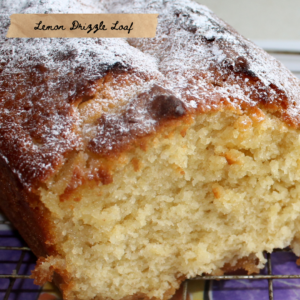
🍋 Lemon Drizzle Loaf

A bright, zesty bake to cut through all that Winter richness.
Course Baking

Ingredients
  

  • 1 cup caster sugar
  • 125 g butter
  • 2 eggs
  • 1 1/2 cups self raising flour
  • 1/2 cup milk
  • 1 lemon zest and juice

Drizzle

  • 1/4 cup lemon juice
  • 1/4 cup icing sugar

Instructions
 

  • Preheat oven to 170°C. Grease and line a loaf tin.
  • Cream butter and sugar until light. Add eggs one at a time.
  • Mix in flour, milk, lemon zest, and juice.
  • Bake for 35–40 minutes.
  • Mix drizzle ingredients together, until sugar dissolves
  • While still warm, pour over the lemon drizzle.
Keyword baking, cake, lemon

🧈 Oatmeal Choc Chip Cookies

Chewy, rustic and perfect alongside a mug of hot chocolate.
Course Baking, Snack

Ingredients
  

  • 125 g butter
  • 1/2 cup brown sugar
  • 1/4 cup caster sugar
  • 1 egg
  • 1 teaspoon vanilla essence
  • 1 cup rolled oats
  • 3/4 cup self raising flour
  • 1/2 cup choc chips

Instructions
 

  • Preheat oven to 180℃. Line a baking tray.
  • Cream butter and sugars, then add egg and vanilla.
  • Stir in oats, flour, and choc chips.
  • Drop spoonfuls onto a tray and bake for 10–12 minutes.

🔥 Final Thoughts

For me, Winter baking was never really about the end result. It’s the slow, unhurried process of it — the warm kitchen, the waiting, the smell of something good in the oven while the wind carries on outside. It’s the simple comfort of making something with your hands and sharing it with the people you love (and, let’s be honest, the cats supervising from the doorway).

So pull on an apron, put the oven on, and let the kitchen do its quiet magic — one batch at a time.

Stay warm. Bake often. And may your hearth burn bright.

Family Life in Winter: Cozy Weekend Rituals

🕯️ Embracing the Winter Slow-Down

When the days grow shorter and the chill settles in, our weekends naturally take on a slower rhythm. Winter seems to invite us to pause a little more — to linger over breakfast, light candles before dinner, pull on cozy layers, and gather close in the warmth of home.

In our house, winter weekends aren’t about grand plans or packed schedules. They’re about the simple rhythms that carry us through the colder months: slow starts, weekend baking, housework catch-ups, field hockey days, warm meals, online gaming, and quiet moments of connection.

There’s something lovely about a slow Saturday morning in winter. We’re not rushing out the door quite so early, and the day usually begins gently. Maybe there’s pancakes, bacon and eggs, or just cups of tea while everyone eases into the morning in their own way.

Saturdays have become our flexible day. They’re for catching up on housework, doing some weekend baking, visiting family or friends, or simply staying home and chilling out. Some weekends feel productive, with washing on the line and something warm coming out of the oven. Others are softer and slower, with no real plans beyond being together and enjoying the quiet.

Hockey sticks by the front door

At the moment, Sundays are our hockey days. Only our eldest is the only one playing right now, but that may change soon. I might be joining the same division, and our youngest is still debating whether she’ll play U14, which would mean Saturday morning games before lunch.

So, for now, Sunday has that familiar winter sport rhythm: checking game times, packing gear, finding socks and shin-pads, loading the car, and heading off to the turf. Some weeks it’s an early start, others it’s later in the day, but hockey has become one of those markers of the season.

It’s not just about the game itself, either. Hockey days are a chance to cheer each other on, catch up with people at the turf, and share those post-game stories on the way home. There’s usually a mix of tired legs, wet gear, and laughter — the kind of ordinary family chaos that becomes its own kind of memory.

When we get home, it’s straight into cozy clothes and the kettle goes on. The chill fades quickly once everyone is warm again, and the house starts to feel settled. Sometimes there’s baking to snack on, or a hearty dinner bubbling away. Other times it’s leftovers, toasties, or something simple and comforting.

By late afternoon and into the evening, we all begin to unwind in our own ways. The kids often head off to their rooms to watch something online or play a game together. My husband spends Sunday evenings gaming online with his mates — currently Traveller RPG or Fallout RPG — while I use the time to prep for the week ahead.

There’s something grounding about that Sunday evening rhythm. While the house hums with everyone doing their own thing, I’ll usually be thinking through lunches, meals, washing, school bits, and whatever needs to be ready for Monday. It’s not always glamorous, but it helps me feel a little more settled before the week begins.

Winter weekends, for us, are a blend of movement and rest. There’s the energy of hockey, the comfort of home-cooked meals, the quiet satisfaction of catching up on household things, and the simple joy of everyone having space to recharge.

Those small rituals — slow Saturday mornings, baking, hockey days, warm drinks, online games, and Sunday night prep — create a sense of rhythm that carries us through the colder months.


🧺 Simple Ways to Create Your Own Winter Rituals

Looking to add a little extra coziness to your winter weekends? Try a few of these ideas:

  • Start a family breakfast tradition — pancakes, waffles, or homemade granola.
  • Make sports days special — pack hot drinks and snacks for the sidelines.
  • Designate “game night” or “movie night” to unwind after busy days.
  • Keep a “weekend comfort basket” with blankets, books, and favourite snacks.
  • Try a weekly bake-up together after games.
  • Reflect on your week with a family journal or gratitude list.

✍️ Journaling Prompts: Reflecting on Winter Family Life

  1. What are my favourite parts of our winter weekends?
  2. How do sports or activities bring our family closer?
  3. What helps me slow down and enjoy the quieter moments?
  4. How can I make our home feel extra cozy this season?
  5. What simple rituals do I want to continue next winter?

🌙 Final Thoughts

Winter weekends don’t have to be full of big plans to feel meaningful. Sometimes the best memories are made in the small, repeated moments — a slow breakfast, a hockey game, a tray of biscuits, a warm drink, or everyone settling into their own cozy corner of the house.

So this season, I’m leaning into the simple magic of our winter rhythm: slow Saturdays, hockey Sundays, warm meals, quiet evenings, and the comfort of being home together.

In the Den Kitchen: Hearty Winter Soups

As the Tasmanian winter settles in, there’s nothing better than wrapping your hands around a steaming bowl of soup. Whether it’s a family recipe handed down through generations or a modern comfort dish, soups are the ultimate winter staple — nourishing, affordable, and full of heart.

In this In the Den Kitchen edition, I’m sharing a few of our family favourites alongside two new cosy creations that have become regulars at our table.

First is a timeless classic that never fails to hit the spot. My Grandma’s recipe uses pantry staples and comes together in no time – perfect for busy winter evenings.

🍅 Grandma’s Tomato Soup

A timeless classic that never fails to hit the spot. My Grandma’s recipe uses pantry staples and comes together in no time – perfect for busy winter evenings.
Course Soup

Ingredients
  

  • 420g can crushed tomatoes
  • 420g can` tomato soup
  • 1/2 cup uncooked rice
  • 1 onion diced
  • 4 cups chicken stock

Instructions
 

  • Combine stock, tomatoes, rice, and onion in a large pot.
  • Simmer until the onion and rice are tender.
  • Stir in the tomato soup, heat through, and serve.

Notes

Serving tip: Pair with buttery toast or a grilled cheese sandwich for the ultimate nostalgic meal.
Keyword rice, soup, tomato

Next up is my Mum’s Carrot soup. Simple, smooth, and naturally sweet – this one’s a family staple that Mum made every winter. It’s rich without being heavy and makes a beautiful starter or light dinner.

🥕 Mum’s Carrot Soup

Course Soup

Ingredients
  

  • 50 g butter
  • 6 carrots peeled & chopped
  • 1 onion diced
  • 3 cups chicken stock
  • salt & pepper to taste
  • 1 cup milk
  • 1/2 cup cream

Instructions
 

  • Melt butter in a large saucepan. Add onion and carrots.
  • Add stock, bring to the boil, and cook until carrots are soft. Drain, reserving liquid.
  • Blend to a puree, adding liquid gradually until thick.
  • Stir in milk and cream and stir to warm through, just before serving.

Notes

Serving tip: Add a sprinkle of fresh parsley or a swirl of cream for presentation.
Keyword carrot, soup

Next, a personal favourite – leek & potato soup

🥔 Leek and Potato Soup

This one’s pure comfort in a bowl – hearty, satisfying, and full of flavour. It’s a perfect midweek dinner or freezer-friendly meal for those chilly nights.
Course Soup

Ingredients
  

  • 2 tbsp butter
  • 1 leek sliced
  • 4 potatoes peeled & diced
  • 3 cups chicken stock
  • salt & pepper to taste
  • 1 tbsp butter extra
  • 1 1/2 tbsp cornflour
  • 2 cups milk
  • grated cheese to taste

Instructions
 

  • Melt butter in a large saucepan, add leek, and fry until soft.
  • Add potatoes and chicken stock, then simmer until cooked.
  • In a separate pan, melt extra butter, stir in cornflour, and slowly add milk until thickened. Add cheese to create a cheese sauce.
  • Stir cheese sauce into soup and blend until smooth.

Notes

Serving tip: Top with shredded cheese, chives, or crispy bacon bits.
Keyword leek, potato, soup

This one’s pure comfort in a bowl – hearty, satisfying, and full of flavour. It’s a perfect midweek dinner or freezer-friendly meal for those chilly nights.

🐔 Creamy Chicken & Corn Soup

Course Soup

Ingredients
  

  • 1 tbsp butter or olive oil
  • 1 onion finely chopped
  • 2 cloves garlic minced
  • 1 1/2 cup chicken cooked & shredded
  • 1 can creamed corn
  • 1 cup corn kernels fresh or frozen
  • 4 cups chicken stock
  • 1 cup milk
  • 2 tbsp cornflour
  • salt & pepper to taste

Instructions
 

  • Heat butter in a pot, sauté onion and garlic until fragrant.
  • Add chicken, corn, and stock. Simmer for 10–15 minutes.
  • Mix cornflour with milk, pour into the soup, and stir until thickened.
  • Season to taste and serve hot.

Notes

Serving tip: Add a sprinkle of chopped spring onion or crispy bacon for extra depth.
Keyword chicken, corn, soup

Finally, a rich, cheesy, vegetarian delight – this soup turns humble cauliflower into something truly indulgent.

🧀 Roasted Cauliflower & Cheddar Soup

Course Soup

Ingredients
  

  • 1 small head cauliflower chopped into florets
  • 1 tbsp olive oil
  • 1 onion chopped
  • 2 cloves garlic minced
  • 3 cups vegetable stock
  • 1 cup milk
  • 1 cup cheddar cheese grated
  • salt & pepper to taste

Instructions
 

  • Toss cauliflower in olive oil and roast at 200°C for 25–30 minutes until golden.
  • In a pot, sauté onion and garlic. Add roasted cauliflower and stock.
  • Simmer for 10 minutes, then blend until smooth.
  • Stir in milk and cheese until melted and creamy.

Notes

Serving tip: Top with extra roasted cauliflower pieces or a drizzle of olive oil.
Keyword cauliflower, cheese, soup

There’s something magical about winter soups – they bring warmth, comfort, and a sense of connection. Whether you’re revisiting old family recipes or trying new favourites, each bowl tells a story of love, care, and nourishment.

So, grab your favourite mug or bowl, light a candle, and let the aromas of simmering soup fill your home this winter.

Birthday Week 2026 🎉

This year I’m once again celebrating my birthday over an entire week – because one day just isn’t enough!

It’s become a bit of a quiet tradition now. Not big parties or grand plans, but a collection of small moments: time with family, getting things done around the house, seasonal rituals, and plenty of good food. Birthday Week always feels like a gentle pause – a chance to reset before the year really kicks into gear.

purple, pink and white balloons on a lavender background with the text “2026 Birthday Week”

Monday

A public holiday, which immediately set the tone for the week. I spent the day catching up on housework and getting things organised for the days ahead. I also prepped K for her Future Changers camp starting tomorrow – bags packed, last-minute checks, the usual mix of excitement and nerves.

The evening was quieter, spent sorting through photos for the in-laws. One of those slow, slightly nostalgic tasks that feels grounding in an unexpected way.


Tuesday

Camp drop-off day. I dropped K at the bus for Camp Clayton and then came home to a very productive (and much-needed) clean of the kids’ bedroom. Not glamorous, but satisfying. There’s something about Birthday Week that always nudges me into clearing space – physically and mentally.


Wednesday – My Birthday 🎂

Payday birthdays always feel practical, so the morning was spent paying bills and doing the grocery shop – oddly comforting in its own way. We met Dad for lunch at The George Town Tavern, a recently opened new local eatery, which was a lovely, relaxed way to mark the day. We’ll be going back for another meal and I’ll be sharing a review here. If today’s meal was anything to go by, it’ll be positive.

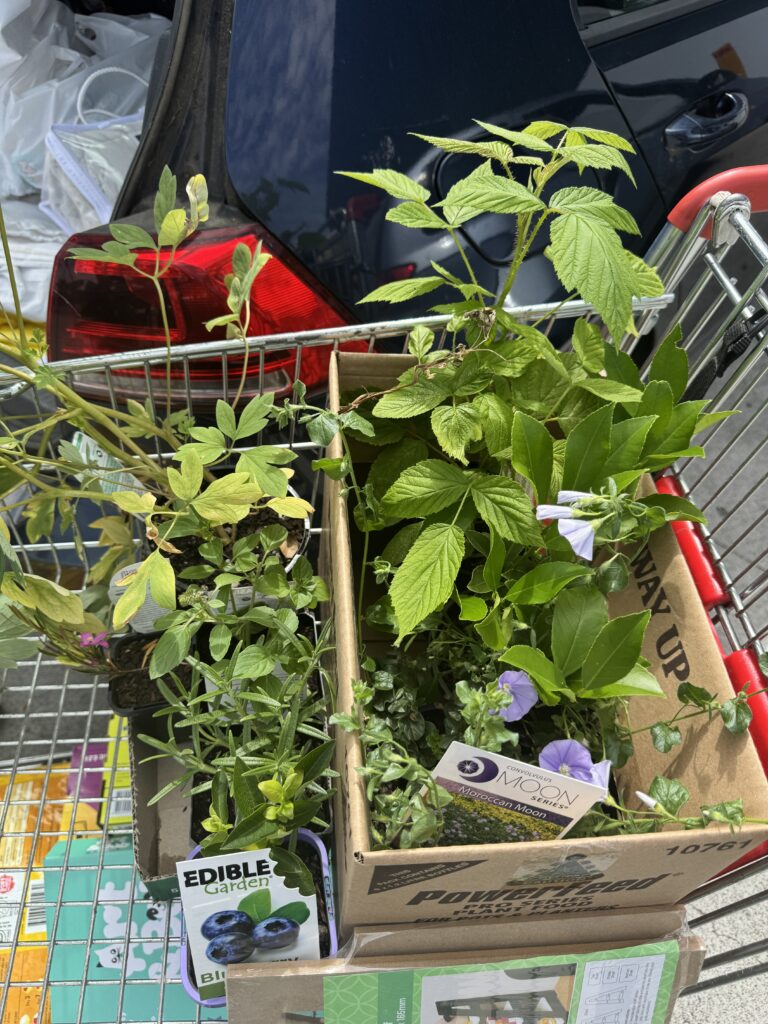
After that, we headed into Launceston to wander the shops and spend some birthday money. I came home with many new plants (as expected), a weighted blanket, a Ryobi glue gun, a couple of books, a new cookware set, and a few other kitchen bits and pieces. It felt indulgent in the best, most useful way – things I’ll enjoy well beyond the day itself.


Thursday

More cleaning in the kids’ room = clearly a theme this week. K came home from camp absolutely buzzing and full of stories. She had an awesome time, which made the tired end-of-camp energy totally worth it.


Friday

A slow day. I spent most of it just pottering around at home, doing little jobs without any pressure to be productive. Exactly the kind of breathing space I needed.

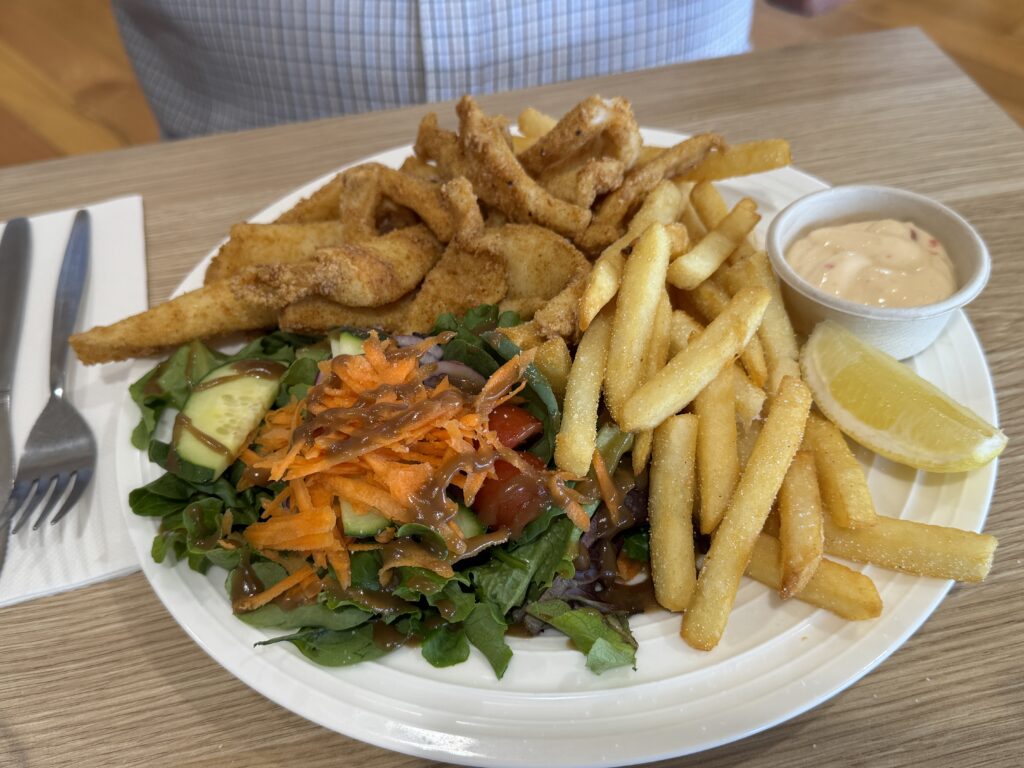
Caught up with the in-laws and had the ever popular Tasman Fish & Chip Co for tea. They make one of the best souvlaki in Tasmania and the fish is fresh and delicious.


Saturday

My first proper sleep-in in a while, followed by laundry day. I made a batch of apricot jam using fruit from our tree – one of those deeply satisfying, seasonal tasks that feels like its own reward.

I also spent some time working on things for my blogs and socials, easing back into creative mode without forcing it.


Sunday

A full, cosy end to the week. I had a nice lazy morning, did some back-to-school prep for the week ahead, and set up my planner pages for February.

It was also Lammas, so the kitchen became the heart of the day: cheese and bacon rolls, cheese & bacon pull apart bread, and pumpkin soup. A simple, intentional way to honour the season and everything this week held.


Wrap-up

Birthday Week 2026 wasn’t flashy or fast – and that’s exactly what made it special. It was full of steady rhythms, family moments, home comforts, and small rituals that stitched the days together. I loved the balance of getting things done and allowing space to rest, reflect, and reset. It felt like a quiet turning point – a gentle reminder that celebration doesn’t have to be loud to be meaningful.

Goal Setting for 2026: Vision, Balance & Intention

A Fresh Start: Intentions for the New Year

With the reflections of 2025 still fresh, 2026 will begin with a deep breath and a renewed sense of purpose. After a year of family health ups and downs, returning to study, and adjusting to new routines, 2026’s focus is all about balance – nurturing what matters most, one gentle goal at a time.

The aim isn’t perfection or pressure. It’s about living with intention, creating sustainable rhythms, and celebrating small wins along the way.


Physical Health: Grounding in Movement and Rest

Health was front and centre last year, and 2026 builds on that awareness. The focus is on gentle, consistent care – walking in nature, mindful movement, and rest that restores.

Key Goals:

  • Walk in nature at least three times a week – beaches, bush tracks, or ParkRun.
  • Create a gentle morning movement ritual.
  • Grow and eat more fresh produce from the garden.
  • Stick to a no phone after 9pm rule for better rest and sleep rhythms.
woman walking on the beach

Mental Health: Quiet Reflection & Gentle Progress

After the emotional weight of 2025, mental health takes priority. 2026 invites slow, steady self-awareness through journaling and rest.

Key Goals:

  • Keep a weekly self-check-in journal – mood, gratitude, and small wins.
  • Take one mental health day each month purely for rest or pleasure.
  • Explore sensory tools for autistic wellbeing – weighted blankets, calming soundscapes, and scent rituals.
  • Limit online comparison by curating digital spaces mindfully.

Home: Creating Calm and Flow

Home is the heart of everything – a sanctuary that supports both study and creativity. 2026 focuses on steady, practical improvements that make daily life flow with ease.

Key Goals:

  • Complete one decluttering or organising project each month.
  • Create a cozy or sacred corner with candles, books, and plants.
  • Build sustainable home rhythms – daily, weekly, and seasonal routines.
  • Grow herbs, flowers, and veggies for a thriving home garden.

Family: Connection at the Core

After K’s big start at Indie School and a year filled with both challenges and milestones, 2026 is about making time to connect. Family adventures, gratitude, and shared creativity will be woven into the year ahead.

Key Goals:

  • Have weekly family dinners or game nights – no screens allowed.
  • Take at least four day trips or mini-adventures around Tasmania.
  • Start a “family gratitude jar” to collect weekly moments of joy.
  • Begin a family creative project – photography, a zine, or a memory book.

Personal Development: Growth Through Learning

Returning to study after 20 years in 2025 was a powerful reminder that learning never stops. 2026 continues that momentum, blending curiosity with balance.

Key Goals:

  • Read 12 books that inspire creativity and insight.
  • Take a short online course or workshop that sparks excitement.
  • Practice saying no without guilt to protect energy and boundaries.
  • Reflect quarterly on values and priorities, realigning as needed.

Creative Goals: Making from the Heart

Creativity remains a core part of life and expression. Whether it’s through writing, art, photography, or crafting, 2026 is about joy in the process rather than perfection.

Key Goals:

  • Dedicate two hours each week purely to making.
  • Attend or host a creative workshop with other makers.
  • Complete a signature project that reflects personal story and style – it’s launching today and I’m really excitied.

Spiritual Goals: Staying Aligned and Connected

Following the Wheel of the Year and reconnecting with local land and energy will guide 2026’s spiritual path. These rituals offer grounding and reflection throughout the seasons.

Key Goals:

  • Celebrate each Sabbat with small, meaningful rituals.
  • Deepen connection with local land spirits through gratitude and offerings.
  • Build a daily or weekly altar practice tied to moon phases or elemental themes.

Closing Thoughts

2025 taught resilience, gratitude, and the value of slowing down. 2026 carries those lessons forward – with gentle structure, grounded goals, and space for joy. This isn’t a year of hustle; it’s a year of harmony.

Here’s to a balanced and beautiful 2026 – a year of health, creativity, and connection in all its forms.

With love from the Den,

– Nightwolf 🐺

ANZAC Biscuits: A Sweet Taste of History

Today (25th April) is ANZAC Day, a day where Australians and New Zealanders pause to remember the sacrifices of soldiers past and present. Sharing ANZAC biscuits (yes it is a biscuit – not a cookie!) on this day is more than a culinary tradition—it’s a way to honour history and connect with community.

ANZAC Biscuits

Few treats carry as much historical significance—or delicious nostalgia—as the humble ANZAC biscuit. Crispy on the edges, chewy in the centre, and golden with a hint of caramel, these iconic biscuits are a beloved staple in Australian and New Zealand homes. But their charm goes far beyond taste: they’re steeped in wartime history and national pride.

ANZAC biscuits originated during World War I, named after the Australian and New Zealand Army Corps (ANZAC). These biscuits were baked by the wives and mothers of soldiers and sent in care packages to the front lines. They were designed to last the long journey across oceans without spoiling—made without eggs, using ingredients that were accessible and shelf-stable at the time.

ANZACs, as they are lovingly know as, are protected by law. The term ANZAC itself is legally protected by Australian law and there are very strict rules around the use of the term Anzac biscuits.

The use of the word ‘Anzac’ in the commercial production and sale of Anzac biscuits is usually approved, however the biscuits must not substantially deviate from the generally accepted recipe and shape, and must be referred to as ‘Anzac Biscuits’ or ‘Anzac Slice’ (not ‘Anzac Cookies’). Where a recipe or the finished product substantially deviate from the generally accepted form (e.g. include
ingredients such as chocolate or fruit), the manufacturer should consider renaming them so that the word ‘Anzac’ is not used.

Recently DVA has noted a significant increase in applications to use the word ‘Anzac’ in the production of Anzac biscuits where recipes include ingredients that cater for specific dietary requirements, including gluten free and vegan ingredients. If recipes substitute ingredients for dietary requirements, this is not considered a deviation. Permission to use the word ‘Anzac’ has been granted for the production of such Anzac biscuits where ingredients have been substituted.

From the Australian Government Department of Veteran Affairs, Use of the word “Anzac” Guidelines

Want to give them a go yourself? This recipe is from the Australian War Memorial

Whether you’re honouring ANZAC Day or just craving a warm, homey biscuit, these little golden discs are a perfect way to celebrate a shared heritage—and indulge in a bit of history with every bite.

Have you made ANZAC biscuits before? Do you make yours with coconut? Share your thoughts or your favourite version in the comments below!