🍂 In the Den Kitchen: Autumn Comfort Food Recipes

As the evenings grow cooler and the leaves start to turn, my kitchen becomes my favourite place to be – the warmth of the oven, the scent of spices, and the simple joy of comfort food bubbling away.

This week in In the Den Kitchen, I’m sharing a few autumn staples that feel like a warm hug – nostalgic, homely, and made for sharing.

First up is my Mum’s pumpkin soup. This soup is pure comfort – a recipe handed down from my mum, with a little twist I added along the way: roasted veggies.

Annette’s Pumpkin Soup

This soup is pure comfort a recipe handed down from my mum.
Course Soup

Ingredients
  

  • 1/4 large pumpkin any variety
  • 1 onion chopped
  • 2 potatoes peeled
  • butter about 1 tablespoon
  • 2-3 cups chicken stock use 2 cups for thicker soup
  • 1/2 cup orange juice
  • 1/2 tsp curry powder
  • 1 tsp nutmeg optional

Instructions
 

  • Skin and chop pumpkin and potatoes into chunks.
  • For more flavour roast your vegetables before continuing.
  • Melt butter in a large saucepan, add vegetables & onion and cook for 5 minutes.
  • Add stock, orange juice, curry powder, and nutmeg (if used). Simmer for about 20 minutes, or until soft.
  • Drain, keeping the liquid, then mash or blend until smooth, gradually adding liquid for your desired consistency.
  • Warm through and serve with a swirl of cream.
  • Sprinkle with toasted seeds, crispy bacon or croutons for a little crunch.

The next recipe I’m sharing is something Mum liked to make if we were having family or friends round for lunch. It feeds a few and if you’re only feeding a family of 4, there’s usually leftovers for lunch the next day. You can also halve the recipe if you want to quite successfully.
Serve it with a fresh garden salad.
This recipe uses British scones not US ones. Here’s a great recipe if you don’t have your own, usually passed down through the family.

Crusted Chicken Noble

A delicious, hearty chicken casserole topped with scones
Course Main Course

Equipment

  • 1 large saucepan
  • 1 casserole dish

Ingredients
  

  • 2 whole cooked chickens see note 1
  • 1 1/4 cups chicken stock
  • 85 g butter
  • 1 onion chopped
  • 28 g plain flour
  • 1/2 cup cream
  • 1/3 cup dry white wine see note 2
  • 2 carrots cooked & diced
  • 1 cup peas cooked
  • 1/4 cup red capsicum diced
  • 220 g tin mushrooms in butter sauce see note 3
  • salt to taste
  • cayenne pepper to taste
  • 1 batch uncooked scones

Instructions
 

  • Preheat oven to 200C (fan forced)
  • Melt butter in saucepan. Add onion & cook until soft & golden.
  • Add flour & stir until smooth.
  • Gradually stir in stock, bring to the boil, thicken then simmer 2-3 minutes
  • Remove from heat, add all other ingredients. Season with salt & pepper. Reheat gently.
  • Pour into casserole dish and top with uncooked scones.
  • Bake for 10-15 minutes until scones are cooked and golden.

Notes

1. BBQ chickens from the supermarket are idea for this recipe.
2. Replace wine with more stock if you prefer no alcohol.
3. Substitute with chopped, cooked mushrooms if you prefer. Or leave them out if you don’t like mushrooms.

Finally a recipe that’s not Mum’s but one I’m sure she would probably have cooked a variation of at some time – Eve’s pudding. Since it’s not one of my personal family recipes, I’ll just be sharing the link to the site where I found it.

Eve’s Pudding (image and recipe) from Scottish Scran

As autumn settles in and the days invite us to slow down, I hope these recipes bring a little warmth and comfort to your own kitchen. Whether you’re cooking from memory, sharing a meal with loved ones, or simply enjoying the quiet ritual of preparing something nourishing, there’s something special about food that connects us – to our past, to each other, and to the season itself.

101 Things in 1001 Days: Update & Lessons Learned

When I first set out on this round of 101 Things in 1001 Days journey back in November 2025, I had a clear list, a spark of motivation, and that familiar mix of excitement and ambition that comes with setting big, meaningful goals.

Now, partway through the journey, things look… different.
Not worse. Not better. Just real. This is an update – not just on what I’ve ticked off, but on what’s shifted, what’s surprised me, and what this process has quietly taught me along the way.

Where I’m At Now

Looking back over my list (which you can read it here), I can see a mix of progress:

  • Some goals are proudly completed
  • Some are in motion, slowly unfolding
  • Some haven’t been touched at all
  • And a few… no longer feel like they belong to me

And that last part? That’s been one of the biggest lessons. Because this challenge isn’t just about doing 101 things. It’s about becoming the person who wants those things – and sometimes, that person changes.

What I’ve Achieved (So Far)

There’s something deeply satisfying about seeing completed goals – not because of productivity, but because each one represents a moment where I showed up.

Some highlights so far:

  • Creative projects that reminded me why I love making
  • Small but meaningful personal milestones
  • Steps toward bigger, long-term dreams
  • Things I once overthought… and finally just did

Not everything has been big or impressive. In fact, many of the most meaningful wins have been quiet ones. And I’m learning to value those just as much.

What’s Changed Along the Way

Life doesn’t pause just because we wrote a list.

Since starting this challenge, my priorities, energy levels, and even my interests have shifted. Some goals that once felt exciting now feel heavy or irrelevant. Others have become more important than I ever expected. And that’s okay. Actually – it’s more than okay. It’s necessary.

This challenge has taught me that:

  • Goals are allowed to evolve
  • Timelines are flexible, even when they’re structured
  • You are not failing if you outgrow something

Letting go of certain items hasn’t felt like quitting. It’s felt like making space.

The Hard Parts No One Talks About

Long-term challenges sound romantic – but they come with their own struggles.

There have been stretches where I’ve:

  • Forgotten about the list entirely
  • Felt overwhelmed by how much is still “left”
  • Questioned whether I set too many goals
  • Lost momentum (more than once)

And honestly? That’s been the most valuable part.

Because it forced me to ask:

Am I doing this to prove something… or to live more intentionally?

When I reconnect with the why, everything shifts.

Lessons Learned So Far

If I had to sum up what this journey has taught me, it would be this:

1. Progress Doesn’t Have to Be Consistent to Be Real

You don’t need perfect routines or steady momentum. Life ebbs and flows—and your goals can too.

2. Small Wins Matter More Than Big Plans

It’s easy to write 101 goals. It’s harder—and more meaningful—to follow through on even a few.

3. Your List Is Not a Contract

You’re allowed to change it. Rewrite it. Let things go. Add new dreams.

4. Motivation Is Fleeting – Connection Is Stronger

When I connect goals to joy, creativity, or meaning, they stick. When I rely on motivation alone, they don’t.

5. This Is About a Life, Not a Checklist

The real success isn’t finishing all 101 things. It’s building a life that feels fuller, more intentional, and more me.

Moving Forward

I’m not rushing to complete everything. I’m not chasing the finish line.

Instead, I’m asking:

  • What still feels meaningful?
  • What brings energy instead of pressure?
  • What kind of life am I actually trying to build?

Some goals will be completed. Some will be reshaped. Some will quietly fall away.

And that’s part of the journey.

For Anyone Doing Their Own 101 in 1001

If you’re on a similar path – or thinking about starting one – here’s what I’d say:

Start with heart, not perfection.
Let your list breathe.
Expect change.
Celebrate small things.
And don’t forget – you’re allowed to grow beyond your original plans.

Because in the end, this isn’t about finishing a list. It’s about becoming someone who lives with intention, curiosity, and courage.

100 Happy Days 2026

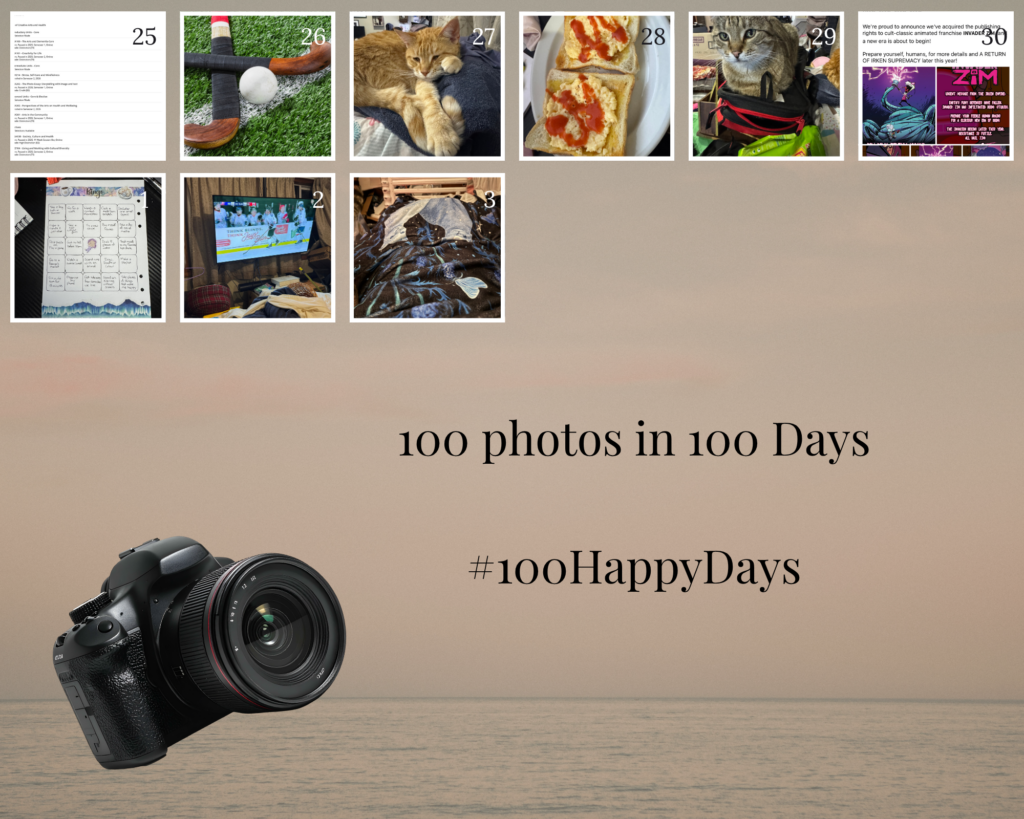
🌞 What Is the 100 Happy Days Challenge?

The 100 Happy Days Challenge (founded at 100happydays.com) is all about slowing down and noticing the good moments in everyday life – big or small.

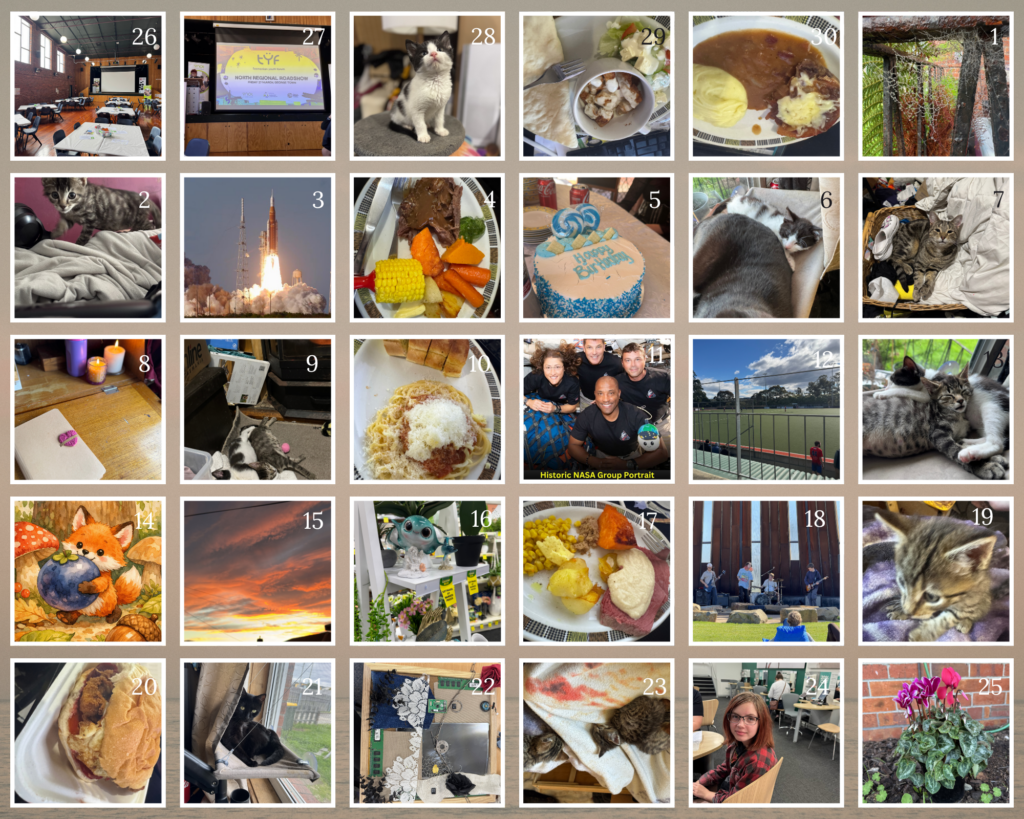
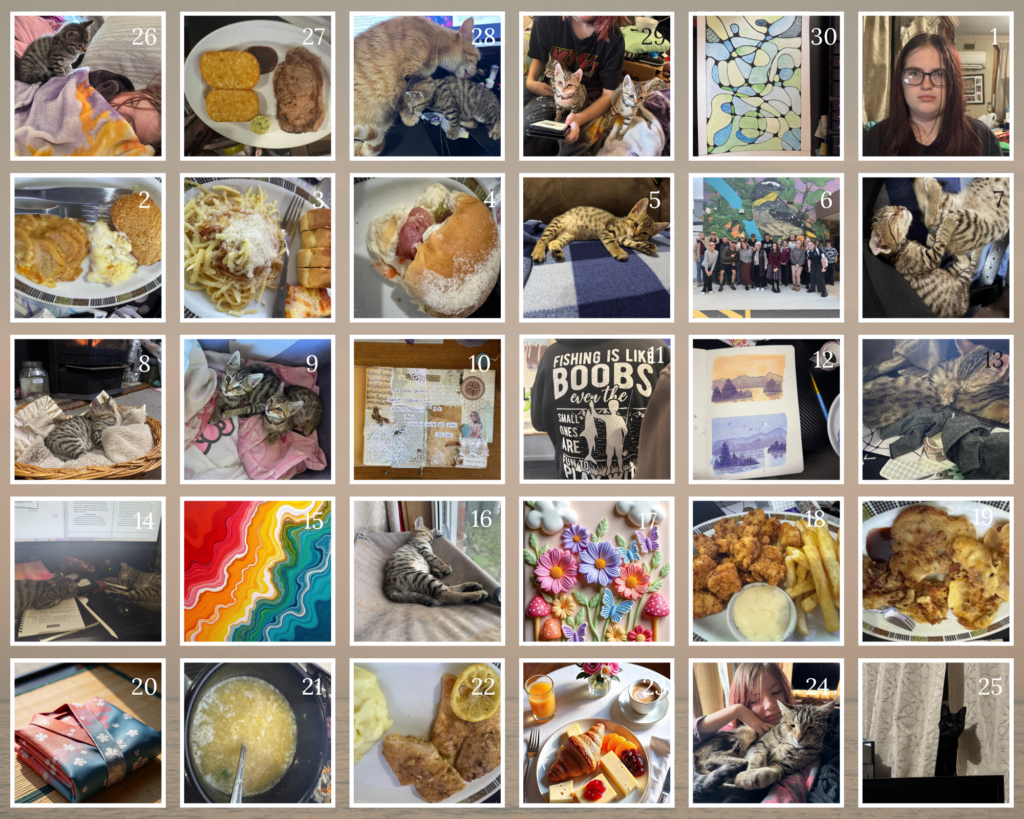
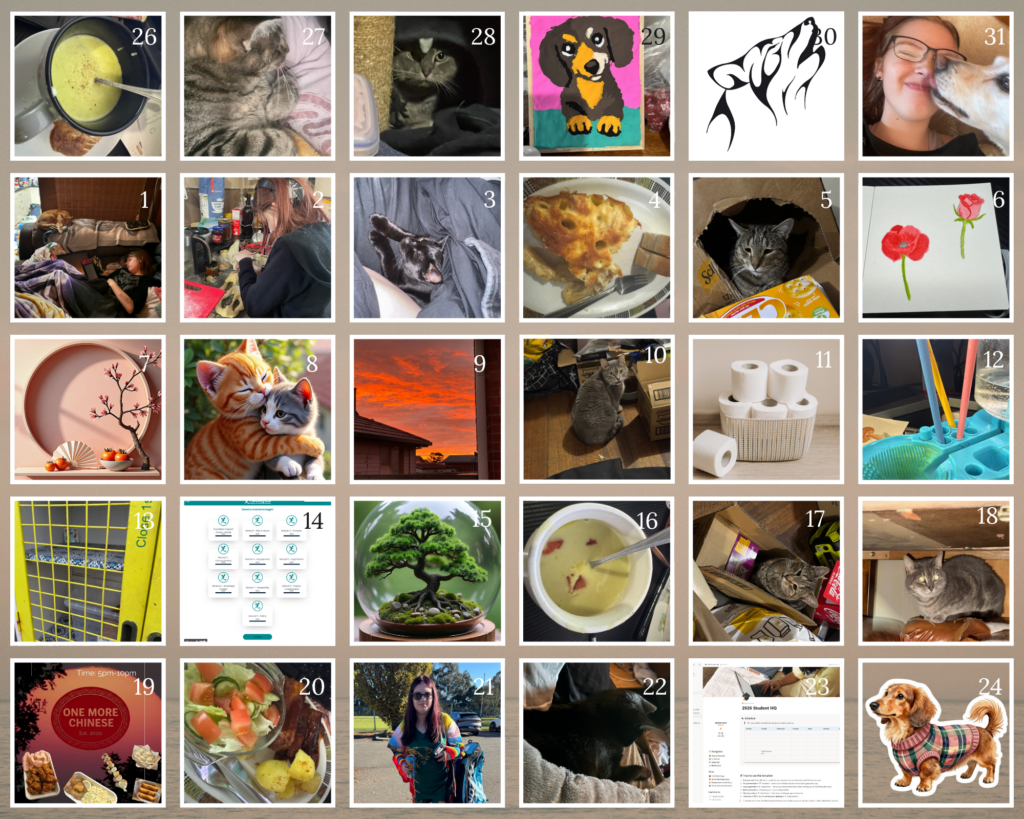
For 100 days straight, you take (& share) one photo a day of something that makes you happy. It can be anything: your morning coffee, a beautiful sunrise, a funny family moment, or a quiet walk by the water.

The goal isn’t perfection – it’s gratitude. It’s about shifting focus from what’s missing to what’s already wonderful.


📸 How It Works

  1. Choose your platform: You can share your daily photos on Instagram, Facebook, your blog, or even keep them private in a journal or folder. Use the hashtag #100HappyDays.
  2. Start your 100 days: My challenge begins March 26th, 2026, and runs through July 3rd, 2026. You can start any time – it’s never too late to find happiness.
  3. Reflect and celebrate: At the end, look back through your 100 photos and see how many simple joys filled your days.

🌼 Photo Ideas for Your 100 Happy Days

Need a little inspiration? Here are some categories and ideas to get started:

Everyday Joys

  • Your morning ritual (tea, coffee, journaling)
  • A cozy corner in your home
  • Freshly made bed or clean desk space

Nature & Outdoors

  • Sunrise or sunset
  • Flowers in bloom
  • Favourite walking path or local park

Creativity & Hobbies

  • Craft projects in progress
  • Planner spreads or journaling pages
  • Books you’re reading or art supplies

People & Pets

  • Candid family smiles
  • Playtime with pets
  • A catch-up with friends

Food & Comfort

  • Home-made meals
  • Seasonal treats
  • Your go-to comfort drink
A collage of small happy moments.

📚 My Previous 100 Happy Days Journeys

It’s become a little tradition here at Nightwolf’s Den – and I love seeing how each year’s version captures a unique chapter of life. (Since making a few changes to the blog, some of the photos are no longer showing, so that’s a little job I need to do, as well as updating the years I haven’t shared.)

Here’s a look back through my previous challenges:


💬 Why I Keep Coming Back to This Challenge

Each year, this project reminds me to slow down and notice. It’s not about pretending everything is perfect – it’s about finding one good thing, even on hard days.

Sometimes it’s as simple as a warm meal, a soft blanket, or laughter with family.

Happiness isn’t always loud – sometimes, it’s quietly waiting for you to look up and see it.

Autumn Equinox 2026 in Australia (Mabon) – Celebrating Balance, Gratitude & Change

lit candles with apples & grains on a table

As the long summer fades and the days begin to shorten, we reach that magical midpoint in the year – the Autumn Equinox. In the Southern Hemisphere, it falls around March 20th–21st, when day and night are perfectly balanced.

This moment of harmony invites us to pause, reflect, and realign as we move from the outward energy of summer into the gentler rhythm of autumn.


🍁 What Is the Autumn Equinox (Mabon)?

In modern Pagan and Wiccan traditions, the Autumn Equinox is also known as Mabon, a festival of gratitude, harvest, and balance.

It marks the second harvest, a time to honour the fruits of our labour – both physical and spiritual. Mabon reminds us that life moves in cycles of growth, release, and renewal.

This season encourages us to slow down, give thanks for what we’ve achieved, and prepare for the reflective months ahead.


🌾 The Autumn Equinox in Australia

Autumnal trees

While the Northern Hemisphere celebrates spring, here in Australia we experience a gentler transition into cooler days.

In Tasmania and Victoria, leaves blush in rich tones of amber and rust, while Queensland and the Northern Territory enjoy clear skies and cooler nights after the humidity of summer.

Wherever you live, this is a perfect time to notice nature’s subtle changes – the shifting light, the crisp air, and the comforting pull to rest and reset.


🔮 Autumn Equinox Correspondences

ElementAssociations
Other NamesMabon, Harvest Home
DeitiesPersephone, Modron, The Green Man
ColoursDeep red, gold, russet, moss green, plum
SymbolsApples, acorns, cornucopia, grapes, autumn leaves
FoodsRoot vegetables, pumpkins, grains, apples, pears, nuts, fresh bread
DrinksMulled cider, chai, herbal teas, red wine

These correspondences can inspire your altar decorations, rituals, or seasonal cooking. Choose what feels personally meaningful – that’s where the magic truly lies.


🔥 How to Celebrate Mabon in the Southern Hemisphere

You don’t need elaborate rituals to celebrate the Autumn Equinox – small acts of mindfulness and gratitude are often the most powerful. Here are some simple, low-cost ideas for 2026:

  • 🍎 Create a gratitude altar with autumn leaves, apples, and candles in earthy tones.
  • 🥖 Bake bread or cook with seasonal produce, giving thanks for your abundance.
  • 🌿 Take a mindful walk in nature and collect fallen leaves or seed pods.
  • ✨ Perform a balance ritual – meditate on what feels out of harmony and how to restore it.
  • 🔥 Host a harvest meal with friends or family and share favourite comfort foods.
  • 📓 Reflect and journal – what have you harvested in your life since the year began?
  • 🕯️ Light a candle at sunset to honour the equal balance of day and night.

🌻 My 2026 Mabon Celebration Plans

This year, I’ll be keeping things simple and grounded.

I’ll refresh my altar, adding seasonal herbs, a few pinecones, and fallen leaves from the garden. I’ll spend some quiet time journaling about the first quarter of the year and reflecting on what “balance” means for me right now.

Dinner will be something hearty and homemade – roast vegetables, fresh bread made with stone-ground flour, and maybe a spiced apple crumble to end the evening.

As the sun dips below the horizon, I’ll pause to give thanks – for the lessons learned, the warmth of community, and the gentle turning of another season.


✍️ Mabon Journal Prompts

If you enjoy journaling as part of your spiritual or self-care practice, use these prompts to deepen your connection to the Autumn Equinox.

🌾 Reflect & Release

  1. What am I most grateful for at this point in the year?
  2. What personal “harvests” (achievements or lessons) am I celebrating?
  3. Where in my life do I need more balance or rest?

🍂 Reset & Renew

  1. What habits, projects, or energies am I ready to release as the season turns?
  2. How can I embrace a slower pace and honour the changing light?
  3. What brings me peace and comfort as the nights grow longer?
  4. What seeds of intention do I want to nurture through the rest of the year?

“Balance is not something you find, it’s something you create.”


🌕 Final Thoughts

The Autumn Equinox reminds us that life is a dance between light and dark – activity and rest, doing and being.

Take this time to find your own sense of balance, express gratitude for what has been, and welcome the stillness that lies ahead.

Whether through ritual, journaling, or a simple meal shared with loved ones, Mabon is an opportunity to celebrate the beauty of change.

Community Spotlight: Tasmanian Artists & Makers

Tasmania’s creative community is deeply rooted in place. From the tidal rhythms of the Tamar River to the historic streets of Launceston and the windswept coastline of George Town, artists across lutruwita/Tasmania are responding to landscape, community, and culture in meaningful ways.

In this Community Spotlight, we’re celebrating artists connected to Northern Tasmania – especially the Tamar Valley – whose work shapes and strengthens our regional arts scene.

🎨 Emily-Rose Wills

Based in Kinimathatakinta/George Town, Emily-Rose Wills is a contemporary artist whose practice explores memory, place, and identity. Her abstract works often draw from the landscapes of Northern Tasmania – layered, gestural, and emotionally resonant.

Beyond her studio practice, Emily-Rose plays a vital role in community arts development. Through her work with George Town Council, she has supported exhibitions, cultural programming, and creative opportunities that nurture local voices. Her commitment to both personal practice and public arts leadership makes her a cornerstone of the Tamar Valley’s cultural life.

Website: https://www.emilyrosewills.com/
Instagram: https://www.instagram.com/emilyroser/

🖌️ James Cowan (kreamart)

Known professionally as kreamart, James Cowan is one of Tasmania’s most recognisable mural and street artists. His bold, large-scale works transform public spaces across Launceston and beyond, often featuring native flora, fauna, and hyper-real portraiture.

His murals inject colour and energy into urban environments while creating accessible art experiences outside traditional gallery walls. Through workshops and youth engagement, he also fosters creative expression within the community — proving that art belongs everywhere.

Instagram: https://www.instagram.com/kreamart/

🎨 Pat Brassington

Drawing straws, 2022
pigment print
85 x 60 cm
© Pat Brassington

Originally from Launceston, Pat Brassington is one of Australia’s most acclaimed photo-media artists. Her surreal, psychologically layered works have been exhibited nationally and internationally. While her reach is global, her Tasmanian roots remain part of her artistic story.

🖼️ Philip Wolfhagen

Philip Wolfhagen
Little hinterland no 1
oil and beeswax on linen
57 x 46 cm
© Philip Wolfhagen

A celebrated Tasmanian painter, Philip Wolfhagen is known for his atmospheric landscapes that capture the shifting light and mood of Tasmania’s environment. His work reflects a deep, contemplative engagement with place = something that resonates strongly within the Tamar Valley’s landscape tradition.

Website – https://www.philipwolfhagen.com/

🌾 Why Regional Art Matters

Regional artists don’t create in isolation – they create in conversation with land, history, and community. In the Tamar Valley, that conversation is shaped by river systems, agricultural heritage, coastal winds, and a strong sense of local identity.

Artists such as Emily-Rose Wills and kreamart demonstrate that impactful creative careers can flourish here. Established names like Pat Brassington and Philip Wolfhagen remind us that Tasmanian artists hold national and international significance.

Supporting local artists means investing in cultural resilience, economic sustainability, and shared storytelling.

The Tamar Valley isn’t just a wine region or scenic drive – it’s a living, evolving creative landscape.

To see more of our amazing Tasmanian talent, be sure to check out Tasmanian Maker’s Journal. It’s a hub of all things creative.

🍂 Autumn Blog Challenge 2026

Welcome to the Autumn Blog Challenge

As the Southern Hemisphere begins to cool and the leaves turn golden, there’s something magical about slowing down and reconnecting with creativity.

The Autumn Blog Challenge is a three-month creative project running from March to May. It offers 30 themed prompts inspired by the rhythms of autumn – from cosy rituals and gratitude to self-reflection and creative renewal.

You can interpret each prompt in your own way: write a blog post, share a journal entry, post a photo, or even create artwork.

This is a flexible, self-paced challenge – join any time, share as often as you like, and enjoy the process.


✨ How to Join

  1. Start any time between March and May 2026. The prompts are timeless though and can be revisited each year.
  2. Follow the Prompts. Use them as daily, weekly, or intuitive inspiration.
  3. Share Your Work. Use the hashtag #NDAutumnBlogChallenge and tag @NightwolfsDen so others can find and support your posts.
  4. Connect with Others. Comment, share, and engage with others taking part – community makes it richer.

🍂 The 30 Autumn Blog Challenge Prompts

Here’s the full list for 2026 – designed to flow gently from March through May:

  1. The first signs of autumn
  2. A cosy morning ritual
  3. Autumn colours where I live
  4. My favourite autumn comfort food
  5. Reflections on summer’s lessons
  6. Slow living: what it means to me
  7. Gratitude for the little things
  8. What I’m releasing this season
  9. A walk through nature
  10. Creating a sacred space at home
  11. Autumn self-care essentials
  12. Finding beauty in change
  13. My autumn reading list
  14. Comfort in routine
  15. A recipe that feels like home
  16. Candlelight moments
  17. Things I’ve learned so far this year
  18. My favourite rainy day activities
  19. Autumn playlist or soundtrack
  20. Seeds of intention for winter
  21. Reflections by firelight
  22. A letter to my future self
  23. My creative goals for the next season
  24. How I’m simplifying life right now
  25. Favourite autumn scents
  26. Finding balance during transitions
  27. Journaling in the quiet moments
  28. Gratitude for growth
  29. My seasonal bucket list
  30. What I’m taking with me into winter

(You can also download a printable and shareable version of the full prompt list – coming soon!)

🍵 Journal Prompt Extension

Prefer journaling over blogging? Each of these prompts can easily become a reflective writing exercise. Try exploring:

    • What am I ready to release as the leaves fall?
    • How do I nurture creativity when life gets busy?
    • What comforts me when the days grow shorter?
    • What am I learning to embrace this season?

🕯 Why You’ll Love This Challenge

    • Seasonal creativity – reconnect with your writing and creativity.
    • Mindful reflection – use each prompt as a way to slow down and notice.
    • Connection – be part of a gentle, supportive blogging community.
    • Versatility – great for blog posts, journaling, photography, or social media.

🪶 Final Thoughts

The Autumn Blog Challenge 2026 isn’t just about writing – it’s about noticing. It’s about paying attention to the golden light, the changing leaves, and the way this season invites you to pause. So grab your favourite blanket, pour a cup of tea, and let’s create something beautiful together this autumn.

🌿 Hidden Summer Gems in Tasmania

Discover Tasmania’s best free and low-cost summer experiences – from secret swimming holes and markets to Tamar Valley trails and sunset spots.

Why You’ll Love a Tasmanian Summer

Tasmanian summers are something special – long days, mild evenings, and that perfect mix of sunshine and sea breeze. While the popular spots like Wineglass Bay, MONA, and Salamanca are always worth a visit, there are so many lesser-known treasures across the island that are perfect for a summer adventure – and many of them are free or very low cost!

Whether you’re a local looking for a new weekend escape or a visitor keen to explore beyond the tourist trail, these hidden gems are sure to inspire your next Tassie road trip.


🏖️ Hidden Waterfalls & Swimming Holes in Tasmania

Liffey Falls Tasmania surrounded by green forest in summer.

There’s nothing like cooling off in a natural swimming spot.

  • Liffey Falls (near Deloraine): A lush forest walk that rewards you with a stunning cascade. Free entry and the drive is half the adventure.
  • Tomahawk (North-East Coast): Peaceful and perfect for a picnic and a dip without the crowds.
  • Little Beach State Reserve (Bay of Fires area): A short walk from the carpark brings you to turquoise water and white sand.

Tip: Bring bathers, a picnic, and maybe a thermos of iced tea – you’ll want to stay awhile.


🌻 Regional Markets & Summer Fairs in Tasmania

Tasmanian summer market with stalls and people browsing handmade crafts.

Summer is market season across the island!

  • Harvest Market (Launceston): Saturday mornings full of fresh produce and local treats.
  • Cygnet Market: A creative, community vibe with live music and handmade crafts.
  • Local town fairs and show days: Often gold-coin entry with local food, craft stalls, and music.

👉 Keep an eye on Facebook events and community pages for pop-up twilight markets and food festivals – they’re everywhere this time of year.


🚶‍♀️ Short & Scenic Walking Trails in Tasmania

Wooden boardwalk through Fern Glade Reserve surrounded by ferns.

Not all great walks require a full day or park pass.

  • Fern Glade Reserve (Burnie): A short, shady stroll along the Emu River – keep an eye out for platypuses at dusk.
  • Coningham Beach to Legacy Beach Track (Kingston area): A gentle coastal track perfect for a summer afternoon wander.
  • Penguin to Sulphur Creek Coastal Walk: Ocean views, wildflowers, and picnic spots galore.

These trails are all free and perfect for morning walks before the heat of the day.


🍷 Hidden Gems of the Tamar Valley

Tamar Island Wetlands boardwalk in Launceston

The Tamar Valley is known for its vineyards, but it’s also home to stunning scenery, peaceful picnic spots, and family-friendly adventures that won’t cost you much.

  • Tamar Island Wetlands Reserve (Launceston): Peaceful boardwalk through reeds and waterways. Free entry; ideal for birdwatching and photography.
  • Grindelwald Swiss Village: Quirky architecture, duck ponds, and a relaxed lake walk.
  • Notley Fern Gorge (Legana): Cool, shaded forest trail with towering ferns and the famous fallen “Brady’s Tree.”
  • Greens Beach & Badger Head: Quiet coastal escapes at the mouth of the Tamar River. Perfect for shell collecting or an evening walk.
  • Batman Bridge Lookout & Picnic Spot: Ideal for sunset photos and riverside picnics.
  • Windsor Park & Tailrace Track (Riverside): Flat river paths with BBQ areas and playgrounds for families.
Picnic area under Batman Bridge with view over the Tamar River

You can easily spend a weekend exploring this area without spending much at all – just pack snacks, sunscreen, and your sense of adventure.


🍦 Sweet Summer Treats

A little indulgence never hurts!

  • Dooleys Ice Cream (St Helens): A classic East Coast treat with generous scoops.
  • Van Diemens Land Creamery (Elizabeth Town): Ice cream and gelato with river views.
  • The Berry Patch (Turners Beach): Pick your own berries (small entry fee) and enjoy wood-fired pizzas afterwards.

🌅 Best Sunset & Stargazing Spots in Tasmania

Sunset over the ocean at The Bluff in Devonport, Tasmania.

Summer evenings in Tasmania are long and beautiful.

  • The Bluff (Devonport): A favourite for sunset picnics and ocean views.
  • Cataract Gorge (Launceston): Stay late for fairy lights and reflections over the water.
  • Eaglehawk Neck Lookout: Watch the sky change colours over the Tasman Sea.

Bonus: On clear nights, head away from the city lights – Tasmania’s night skies are incredible for stargazing and astrophotography.


💚 Final Thoughts

You don’t need a big budget to enjoy summer in Tasmania. Sometimes the best memories come from packing a picnic, turning off your phone, and following a dirt road just to see where it leads.

Take your time, explore the hidden corners, and soak up the slower pace that makes Tasmanian summers so magical.

🧹 Decluttering After the Holidays

🎄 Why Declutter After the Holidays?

As the festive season wraps up and the decorations come down, life slowly returns to normal. It’s that strange in-between time where the house feels both full and somehow empty – the perfect opportunity to do a bit of post-holiday decluttering.
After weeks of celebrations, gatherings, and gift exchanges, most of us end up with extra “stuff” lying around. Taking time to reset your home now helps you start the year clear-headed and grounded.
Decluttering isn’t about striving for perfection – it’s about creating space: physical, mental, and emotional.


🏠 Start with the Obvious

Begin by packing away your holiday decorations carefully. Check fairy lights for broken bulbs and ornaments for damage before storing them. This will save you time and stress next year.

As you go, be honest about what you actually use. If certain decorations haven’t seen the light of day for years, consider donating or recycling them. Keep only what adds joy or meaning to your celebrations.


🎁 Managing Gifts and Extras

The holidays often bring new items into the house – which means it’s a great time to let go of old ones.
If you received a new jumper, kitchen gadget, or book, replace instead of add. Donate or recycle items you’ve outgrown or no longer love.
Don’t forget your wrapping station! Reuse ribbons, tissue paper, and gift boxes where you can, and recycle the rest.


🍳 Refresh the Kitchen and Pantry

After all that festive cooking, your kitchen may need some love.

  • Check expiry dates and toss out anything that’s gone off.
  • Wipe pantry shelves and group similar items together.
  • Donate unopened non-perishables you won’t use to a local food bank.

You’ll be amazed how much calmer meal prep feels when your kitchen is reset for the year.


🎒 Before the Kids Go Back to School (or You Restart Homeschool)

The start of the school year can feel hectic, but decluttering early helps ease the transition.

  • Sort through stationery and art supplies – toss dried-up markers and recycle old notebooks.
  • Clean out lunch boxes and drink bottles.
  • Restock essentials so you’re not rushing at the last minute.

If your kids attend school, create a simple homework or study area with good lighting and minimal clutter.

For homeschoolers, review last year’s materials, tidy up learning spaces, and make sure everything for the new term is easy to find.

A fresh, organised learning environment helps kids (and parents!) feel more focused and ready to begin again.


💻 Don’t Forget Digital Decluttering

It’s easy to overlook, but digital clutter can be just as stressful as physical mess. Take an hour to:

  • Delete duplicate photos.
  • Clear out old emails.
  • Organise important files into folders.

A tidy desktop or phone screen feels surprisingly refreshing – like mental decluttering for the new year.


🪴 Keep It Realistic

Remember, you don’t have to do it all in one go. Start small – maybe one drawer or one room a day.

Small, steady steps are more sustainable (and less overwhelming) than a massive weekend clean-out. The goal is progress, not perfection.


🌿 Moving Forward

Decluttering after the holidays is more than just tidying – it’s a gentle ritual of renewal. It’s a way to honour what’s passed and make space for what’s next.

So put on your favourite play-list or podcast, grab a donation box, and start fresh. You’re not just cleaning – you’re creating room for new memories, new routines, and a calm start to the year.

💙 Ovarian Cancer Awareness Month: Why I Turn Teal Every February

🌿 Why Ovarian Cancer Awareness Month Matters

Every February, Australians come together for Ovarian Cancer Awareness Month (OCAM) – a campaign that shines a light on one of the most under-diagnosed and under-discussed cancers affecting women and people with ovaries.

Each year, around 1,815 Australians are diagnosed with ovarian cancer, and sadly, many are diagnosed at a later stage when treatment options are limited.

Because there’s no reliable screening test for ovarian cancer – awareness and early detection are everything. Recognising the symptom, and knowing when to seek help, can truly save lives.

White cake with teal decorations

My Personal Connection: Supporting OCA in Memory of My Mum

This cause is deeply personal for me.

My mum was diagnosed with ovarian cancer in 2010 and fought with courage and grace until December 2019. During her journey, Ovarian Cancer Australia (OCA) became a lifeline – offering resources, connection, and compassion when we needed it most.

Together, Mum and I hosted multiple Afternoon Teal events, baked treats, shared stories, and raised funds for OCA’s vital programs. Those teal-filled afternoons weren’t just about fund-raising – they were about hope, community, and honouring every woman affected by this disease.

Supporting OCA is my way of continuing that legacy. It’s a promise that my mum’s story – and so many others – will never be forgotten.

Common Symptoms of Ovarian Cancer

Ovarian cancer symptoms can be subtle and easily mistaken for other conditions. If they are new, persistent, or unusual for you, it’s important to speak to your GP.

Some key symptoms include:

  • Persistent bloating or abdominal swelling
  • Pelvic or stomach pain
  • Feeling full quickly or difficulty eating
  • Urinary urgency or frequency
  • Unexplained fatigue or changes in bowel habits
Ovarian Cancer Signs & Symptoms list.

Trust your instincts — if something feels off, get it checked.

For more details, visit Ovarian Cancer Australia’s awareness page

Lammas in Australia: Harvest, Gratitude & Decolonising the Wheel of the Year

As late summer settles in and the intensity of the season begins to soften, Lammas arrives as a meaningful turning point on the Southern Hemisphere Wheel of the Year. In Australia, Lammas is not marked by golden wheat fields or cool breezes, but by cicada song, sun-warmed earth, ripening gardens, and the subtle awareness that energy is beginning to shift.

Also known as Lughnasadh, Lammas is the first harvest festival = a time to pause, take stock, and acknowledge what has grown through persistence, resilience, and care. For Australian witches and pagans, it is also an invitation to practise seasonal spirituality in a way that is land-aware, respectful, and rooted in place, rather than imported symbolism alone. This year I have been called to learn more about how the traditional custodians of our land celebrate the seasons, and how I can respectfully incorporate this into my personal practice, without using Indigenous ceremonies, stories, or symbols.


🌏 Acknowledging Country

Before we mark Lammas, we pause to acknowledge Country.
We recognise that the land on which we live and practise spirituality has been cared for, sung, tended, and honoured for tens of thousands of years by Aboriginal and Torres Strait Islander peoples. The seasons we observe, the plants we work with, and the rhythms we feel are part of living systems that long predate modern pagan traditions.

As witches and pagans practising on this land, we are guests here. Our spiritual paths do not replace Indigenous knowledge, nor do they grant ownership over land, stories, or sacred practices that are not ours to carry.

May our observance of the Wheel of the Year be guided by respect, humility, and listening, grounded in relationship with the land, and held with care for the cultures who remain its custodians.
We honour Elders past and present, and commit to earth-based practice that does no harm.


🌻 The Meaning of Lammas

Lammas reminds us that life moves in cycles – of growth, fruition, and rest. The golden days begin to shorten, inviting reflection and gratitude.

It’s a time to celebrate what has ripened in our lives, release what no longer serves us, and prepare to slow down as the cooler months draw near.

Spiritually, Lammas represents gratitude for what we’ve gained, and trust in the process of change – knowing that every ending leads to new beginnings.

In an Australian context, Lammas often carries a quieter, more introspective energy. It is less about abundance as excess, and more about earned harvest – recognising what has survived heat, pressure, and uncertainty. This sabbat asks us to honour effort, adaptability, and honest self-assessment.


🍞 Simple Ways to Celebrate Lammas

Celebrating Lammas doesn’t require elaborate ritual. Simple, grounded acts aligned with the land you live on are often the most powerful.

  • Bake or share bread with intention
    Bread symbolises effort transformed into sustenance. As you knead or prepare food, reflect on what you’ve poured energy into this year. You might offer the first slice to the land, ancestors, or deities you work with.
  • Create a local, land-honouring altar
    Use ethically gathered items from your environment – seed pods, grasses, stones, leaves, shells, dried herbs, or late-summer fruits. Let your altar reflect place, not imported seasonal imagery.
  • Offer gratitude to spirits of place
    A spoken thank-you, libation, or quiet moment outdoors can be a powerful Lammas offering. This is about relationship, not performance.
  • Practise harvest magic
    Lammas is well suited to workings focused on sustainability, protection, balance, and maintaining what you’ve built – rather than striving for more.
  • Share food in community
    Lammas has long been a communal festival. If appropriate, share a meal with friends, coven members, or chosen family.

🌿 In the Den This Year

This year, Lammas in the Den is being honoured as a threshold sabbat – a pause between intensity and rest.

The focus is on:

  • finishing existing creative projects
  • grounding spiritual practice into daily life
  • slow craft, seasonal journaling, and reflection
  • releasing unrealistic expectations carried through summer

Rather than planting new seeds, this Lammas is about closing loops, acknowledging effort, and conserving energy as we move toward autumn.


🌾 Decolonising the Wheel of the Year in Australia

For many Australian pagans and witches, the Wheel of the Year is both meaningful and complicated. Rooted in European seasonal cycles, it doesn’t always align with Australian climates, ecosystems, or lived experience.
Decolonising the Wheel of the Year doesn’t mean abandoning it. It means holding it lightly.

Listening to the Land

A decolonised practice begins with observation:

  • When does the land actually shift where you live?
  • What plants flower, seed, or die back?
  • How do heat, rain, and light affect your body and energy?

Rather than forcing sabbats to match imported imagery, allow them to emerge from lived, local experience.

Adapting Without Appropriating

Decolonising does not mean incorporating Indigenous spiritual practices into pagan ones. Respect means:

  • not using Indigenous ceremonies, stories, or symbols
  • not claiming Dreaming or seasonal calendars as pagan tools
  • not speaking for Country

True land-based spirituality accepts boundaries and practises accountability.

From Aesthetic to Relationship

A living, ethical Wheel of the Year is:

  • flexible rather than fixed
  • responsive rather than prescriptive
  • grounded in place rather than aesthetic
  • shaped by relationship, not rules

Lammas, viewed this way, becomes not just a harvest festival, but a moment of reflection:
What have I gained — and how have I lived in relationship with the land while doing so?


✍️ Lammas Journal Prompts

If you enjoy journaling as part of your spiritual or self-care practice, use these prompts to deepen your connection to Lammas.

You can print or save them for your Wheel of the Year journal, planner, or Book of Shadows.

Lammas is a beautiful time to pause and reflect on what has ripened in your life – your work, relationships, creativity, and inner growth. As the first harvest festival of the Wheel of the Year, it invites gratitude and gentle release.

Use these journal prompts to deepen your Lammas reflections:

  1. 🌾 What have I “harvested” in my life since the start of the year?
  2. 🌻 Which intentions or projects have come to fruition, and how do they make me feel?
  3. 🍞 What am I most grateful for right now – in my home, relationships, or inner world?
  4. 🕯️ What parts of my life feel abundant? What areas feel depleted and in need of rest?
  5. 🌕 How can I celebrate the work I’ve done so far this year – even the small victories?
  6. 🌬️ What lessons have I learned from challenges or “failed crops” this season?
  7. 🍎 What do I want to release as I move toward the quieter months of the year?
  8. 🪴 How can I nurture balance between giving and receiving – between work and rest?
  9. 🔥 What rituals, meals, or creative acts help me feel connected to the cycle of nature?
  10. 🌿 How can I bring more gratitude into my daily routine beyond Lammas?

(Tip: Write freely, without judgment. This is a time to honour both your growth and your humanity.)

As always, Lammas is a reminder to pause, give thanks, and trust in the turning of the seasons.

Blessed Lammas – may your harvest be honest, your magic grounded, and your path steady. 🌾