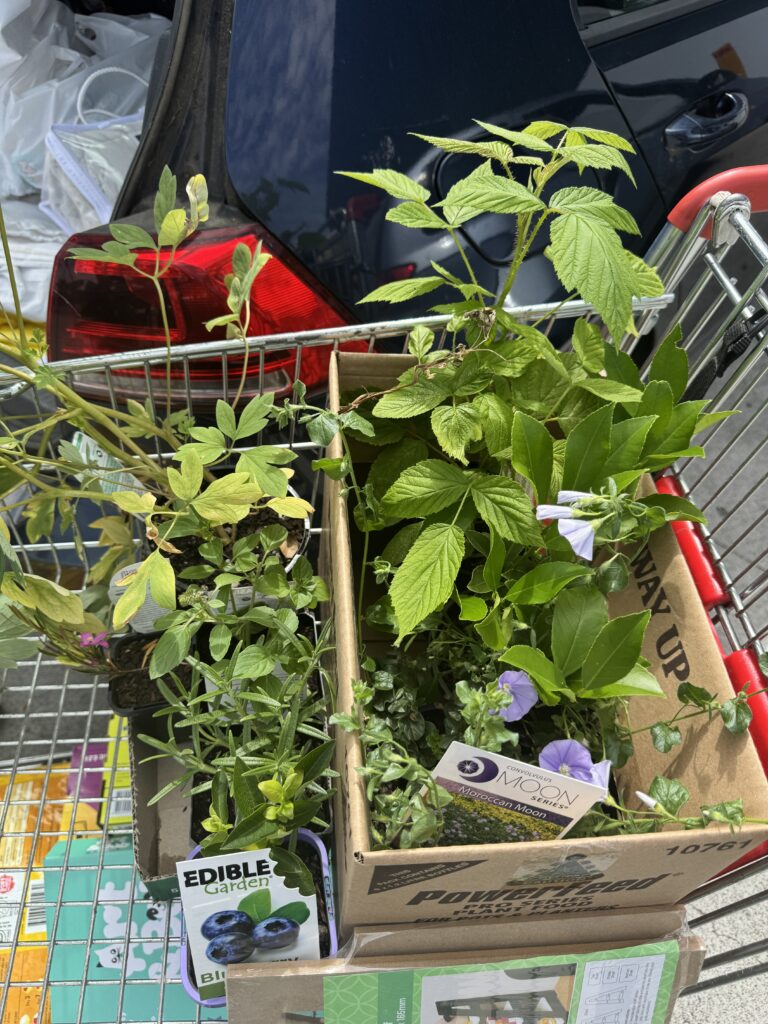
Getting your garden ready for the season of growth.
The Promise of Spring
As winter fades, the garden begins to stir. Days grow longer, soil warms, and it’s time to think about the season ahead. Spring is when much of your hard work begins — planning, sowing, and preparing the garden for abundance in the warmer months to come.
Whether you’re in cool-climate Tasmania or a milder part of Australia, a little forethought now will reward you with lush growth and plenty of harvests later.
Garden Planning: The Foundation for Success
Before rushing out with seeds and trowel, take a little time to plan.
🪴 1. Assess & Prepare Your Garden Beds
- Clear out any leftover winter crops and weeds.
- Work in compost or well-rotted manure to replenish nutrients.
- Check drainage and soil structure.
- Plan for crop rotation to prevent soil-borne diseases.
🌿 2. Map Out Your Garden
Sketch a quick layout showing what you’ll plant and where.
Group plants by their needs — sun, water, and spacing — and note areas prone to frost or shade. If you’re gardening in Launceston or northern Tasmania, you may still face the occasional late frost, so keep tender seedlings protected until conditions stabilise.
Peter Cundall’s Planting Guide for Tasmania
Beloved Tasmanian gardener Peter Cundall created a year-round planting and sowing guide tailored to Tasmania’s cool climate.
According to his guide (available here), September through November is the time for:
- Early Spring (September): Start cool-season crops such as broccoli, kale, lettuce, and beetroot. Begin sowing tomatoes, capsicum, and cucumber seeds indoors or under cover.
- Mid Spring (October): Transplant hardier seedlings. Direct-sow carrots, beans, and peas once soil begins to warm.
- Late Spring (November): Plant your main summer crops — zucchini, pumpkin, sweet corn, tomatoes, and herbs like basil.
If your area tends to frost, hold off on planting tender crops until mid-spring or use cloches and tunnels for protection.
Broader Australian Spring Planting Tips
Across the mainland of Australia, spring marks the beginning of the main growing season. Resources such as Bunnings’ Spring Planting Guide and Home to Love’s seasonal planting advice recommend:
🌻 What to Plant
- Vegetables: Tomatoes, zucchini, capsicum, cucumber, lettuce, beetroot, carrots, beans, pumpkins, sweet corn, and spinach.
- Herbs: Basil, parsley, coriander, thyme, mint, and chives.
- Flowers: Marigolds (great for companion planting), sunflowers, petunias, and cosmos.
🌼 When to Start Seeds
Warm-season crops like tomatoes and chillies can be started indoors or in a greenhouse six to eight weeks before the last frost.
Cool-season crops (lettuce, spinach, peas) can be sown directly once soil temperature reaches about 10°C.
🌾 Soil & Maintenance Tips
- Add organic matter to improve texture and nutrient balance.
- Water seedlings regularly but avoid water logging.
- Mulch around young plants to retain moisture and suppress weeds.
- Use succession planting — sowing small batches every few weeks — for a continuous harvest through summer.
Seed Starting 101
Starting your own seedlings gives you a head start and more variety than buying punnets.
- Use clean seed trays or recycled containers with drainage holes.
- Fill with a light seed-raising mix — not garden soil.
- Label clearly with the plant name and date.
- Keep moist but not wet — a spray bottle is ideal.
- Provide gentle warmth and light. A sunny windowsill or small greenhouse works perfectly.
- Harden off seedlings by gradually introducing them to outdoor conditions before planting in the garden.
Regional Adjustments: From North to South
Australia’s climates vary widely, so timing is everything:
- Cool & alpine regions (Tasmania, southern VIC/NSW): Delay warm-season sowing until mid-spring. Focus early on hardy greens and brassicas.
- Temperate zones (Sydney, Adelaide, Perth): Start most crops in early spring; transplant by October.
- Subtropical & tropical regions (QLD, NT): Spring heat comes fast — focus on quick-growing or heat-tolerant crops and provide shade as temperatures rise.
Spring rewards patience as much as effort — a bed prepped now, a seedling hardened off properly, a fortnight’s delay for the frost to pass will all pay off come summer. Start small if you need to, adjust as your own microclimate teaches you its quirks, and let the season’s momentum carry you into a garden full of colour, fragrance, and food to share.